
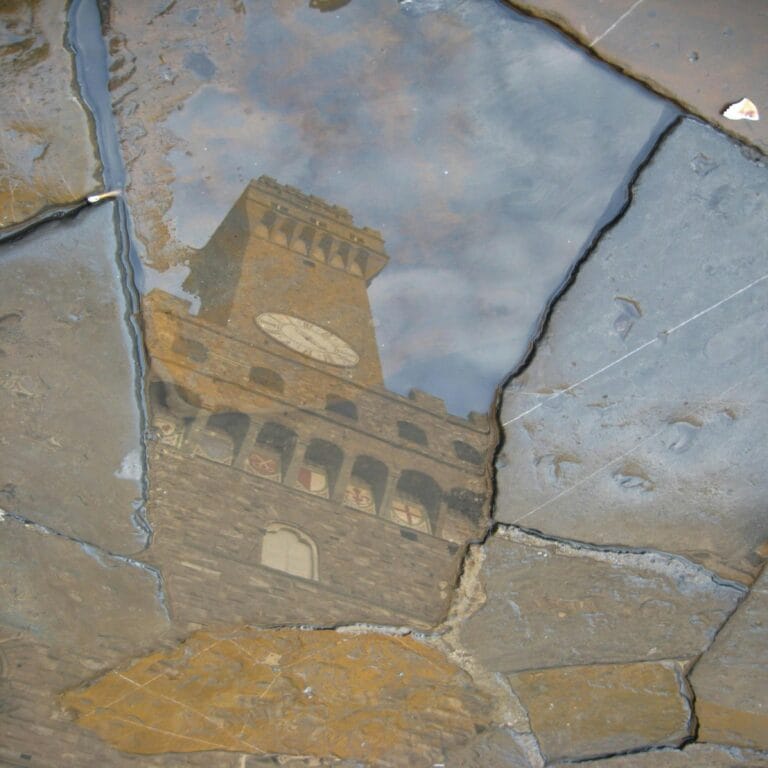
Lorenzo’s Life of Simplicity
Lorenzo de Medici a man that was ruling the city of Florence during its maximum splendor was a simple manlike many others, according Pulci a florentine noble man.
Lorenzo de Medici a man that was ruling the city of Florence during its maximum splendor was a simple manlike many others, according Pulci a florentine noble man.
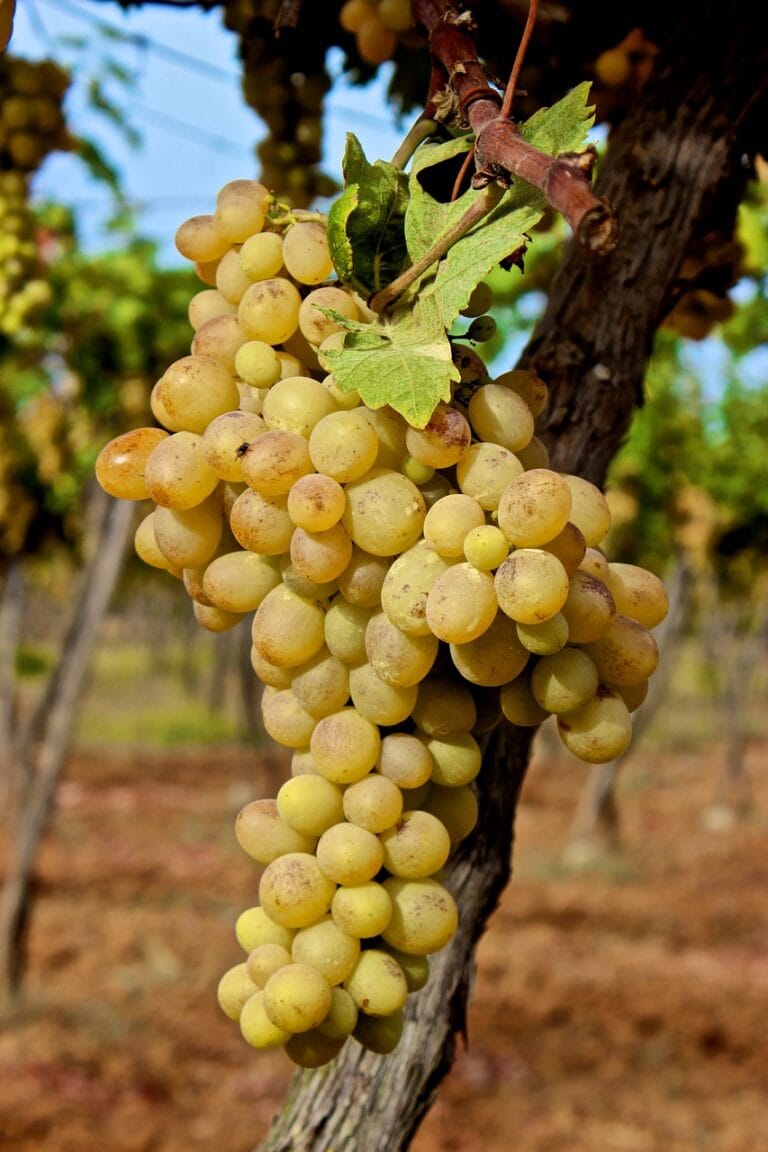
According to a version from Siena, a Franciscan friar utilized a wine that the confreres frequently used to celebrate Mass to treat the plague victims in 1348. Another account originates in Florence, where the Greek metropolitan Giovanni Bessarione declared, "This is the Xantos wine!" while sipping the Pretto wine before the Council of Florence in 1439.

The statue, a Pudic Venus, is inspired, like the other variants of the theme, to the infrodite Cnidia of practice, with particular similarities with the Capitoline Venus.
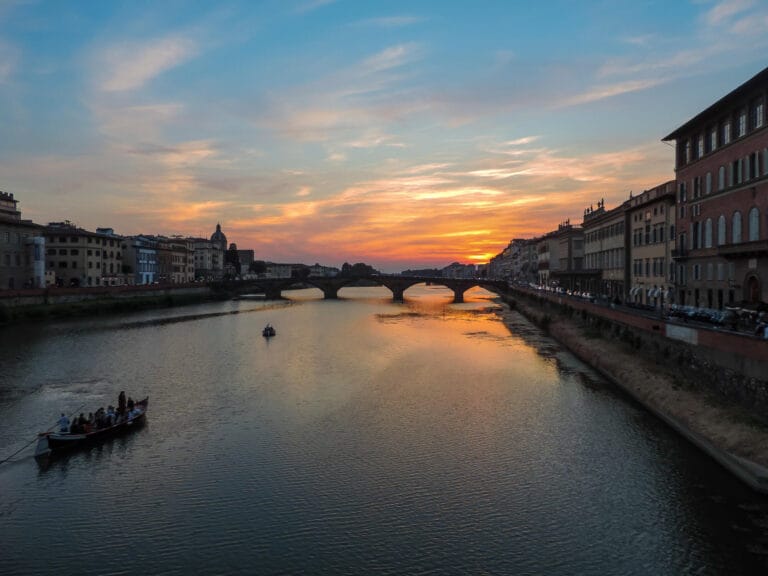
Main Events Across the Squares Piazza della Signoria Piazza San Giovanni Other places Archive notice: This article describes the 2024 season or […]
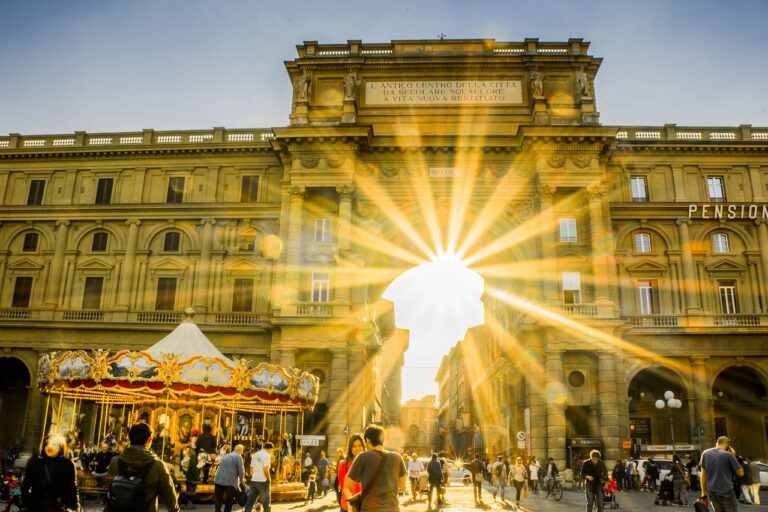
Caffè Paszkowski, located in Piazza della Repubblica in Florence, is a cornerstone of Italian café culture and a designated Historic Place of Italy. Established in 1846 as a beer hall, it transitioned to a Viennese-style brewery when the Paszkowski family, originally Polish, acquired it in 1904.
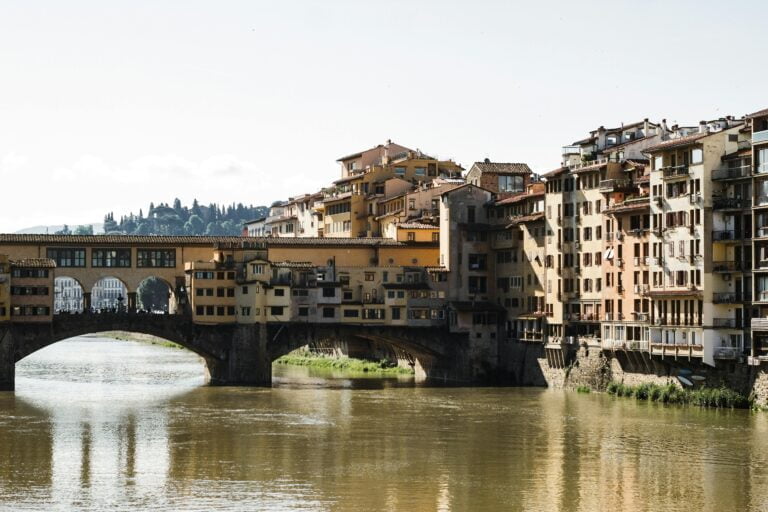
The Vasari Corridor was constructed in just nine months by order of Duke Cosimo I de' Medici in 1565, based on a design by the architect Giorgio Vasari,
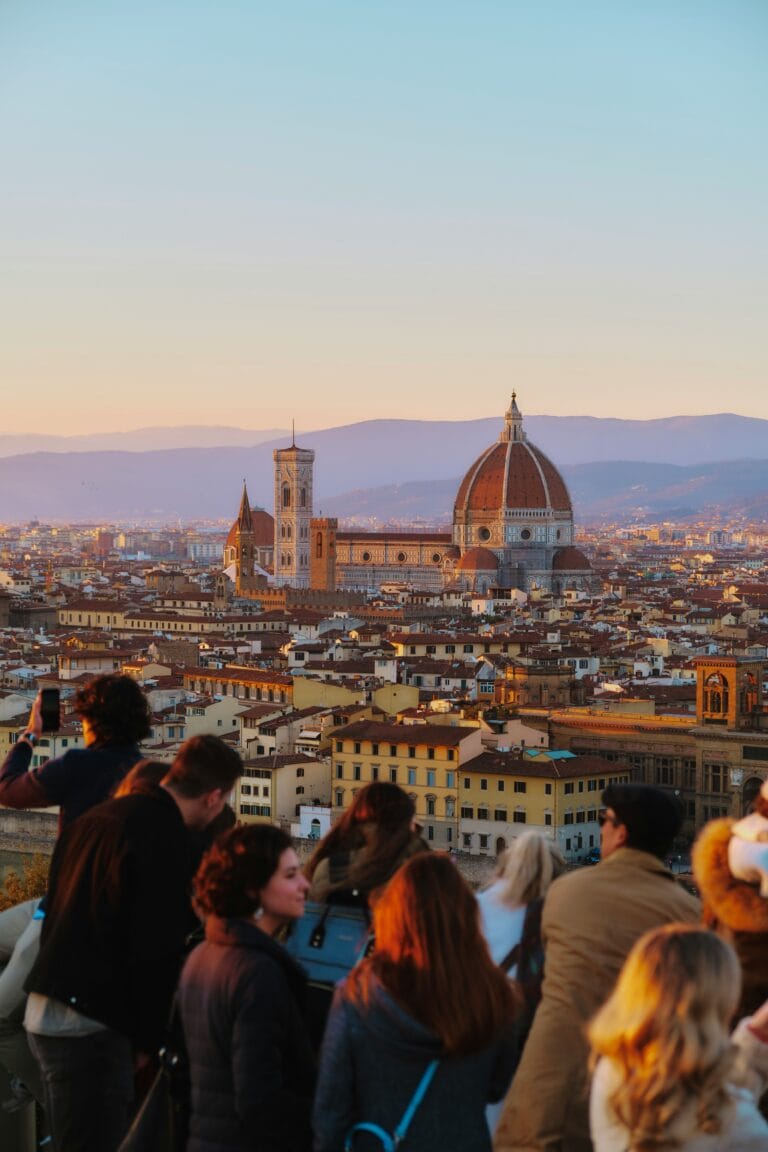
Grand Duke Pietro Leopoldo’s departure from Tuscany in March 1790 to assume the Austrian imperial crown marked a pivotal moment in history. Had he remained in Florence, Tuscany might have experienced a golden era under his progressive governance.

For anyone looking to enjoy an authentic Tuscan meal in Florence, Trattoria Gozzi is a must-visit. With over 100 years of culinary heritage, it remains a symbol of traditional, high-quality cuisine.

The Casa Buonarroti is a beautiful example of Renaissance architecture with later Baroque additions. Its elegant structure houses not only Michelangelo’s works but also pieces from the Buonarroti family’s extensive art collection, reflecting their cultural prominence.
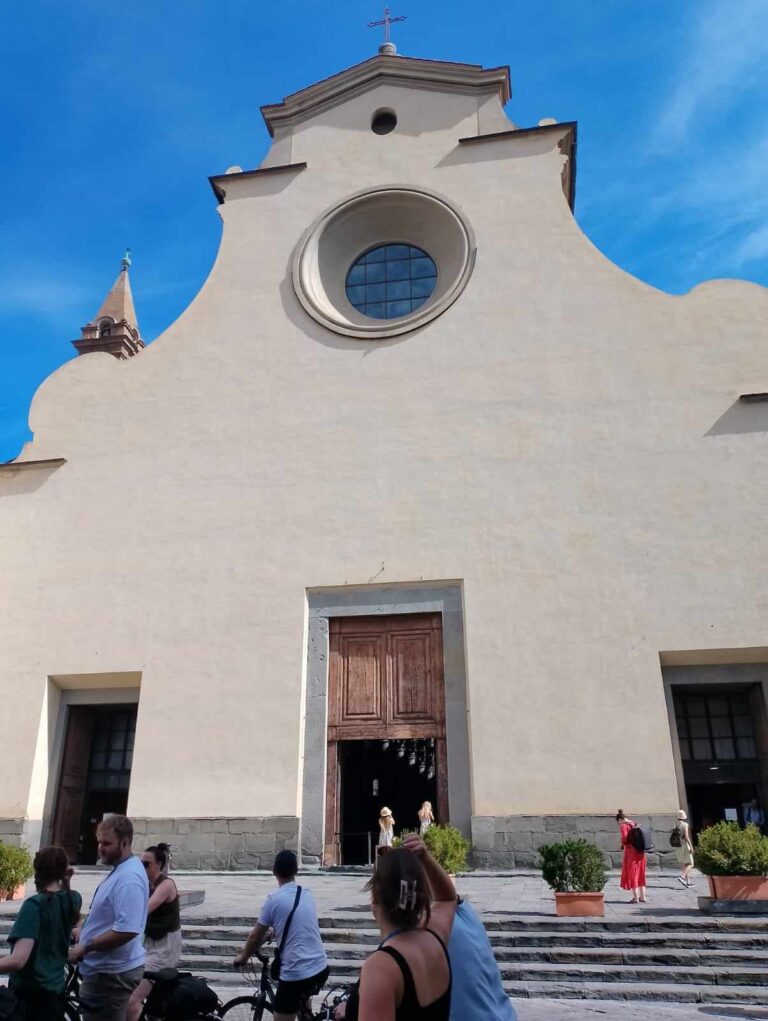
Located at Via di S. Spirito 58/r, Florence, there exists a rare and intriguing pietrino, a type of stone plaque often embedded in buildings in historic urban centers. These pietrini or lapidini were traditionally used to indicate ownership of a building or property.
Florence | San Marino | Urbino | Chișinău | Elba | Norcia | Castelsardo | Alberobello | Alghero | Alessandria | Deruta | Andorra | Albania | All free tours →