
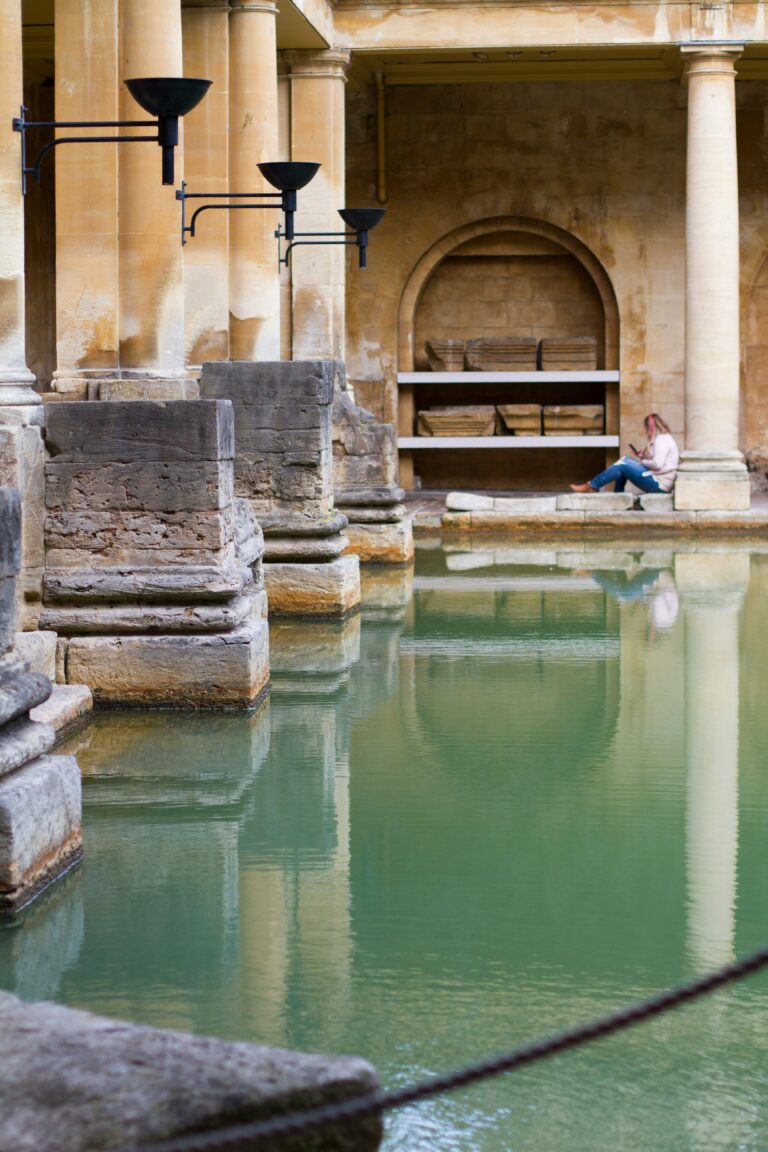
Roman terms next Florence’s Porcellino
Walking in the street Por Santa Maria, where yo can find Dr Martens shop side sidewalk, towards Ponte Vecchio, in front of […]
Walking in the street Por Santa Maria, where yo can find Dr Martens shop side sidewalk, towards Ponte Vecchio, in front of […]

In 1888, the pope brothers built the “Great Emporio Duilio” on the ruins of a medieval church; the name was later adopted […]

Almost everyone knows that Florence during the Renaissance period was very famous for various activities including that of the arts with and sculptors, architects, painters, who gave prestige to the city of Florence up to our tear. But not many know that Florence besides the artists was also famous for spices and in particular for some pharmacies led by friars of various orders scattered throughout the city. One of the most famous is that of Santa Maria Novella in via della Scala, led by Domenican friars. But there were also other pharmacies, one of the lesser known but always important for the city and for its stria was that of Santissima Annunziata, led by the Benedictine nuns, who directed the hospital of Santa Maria Nuova.
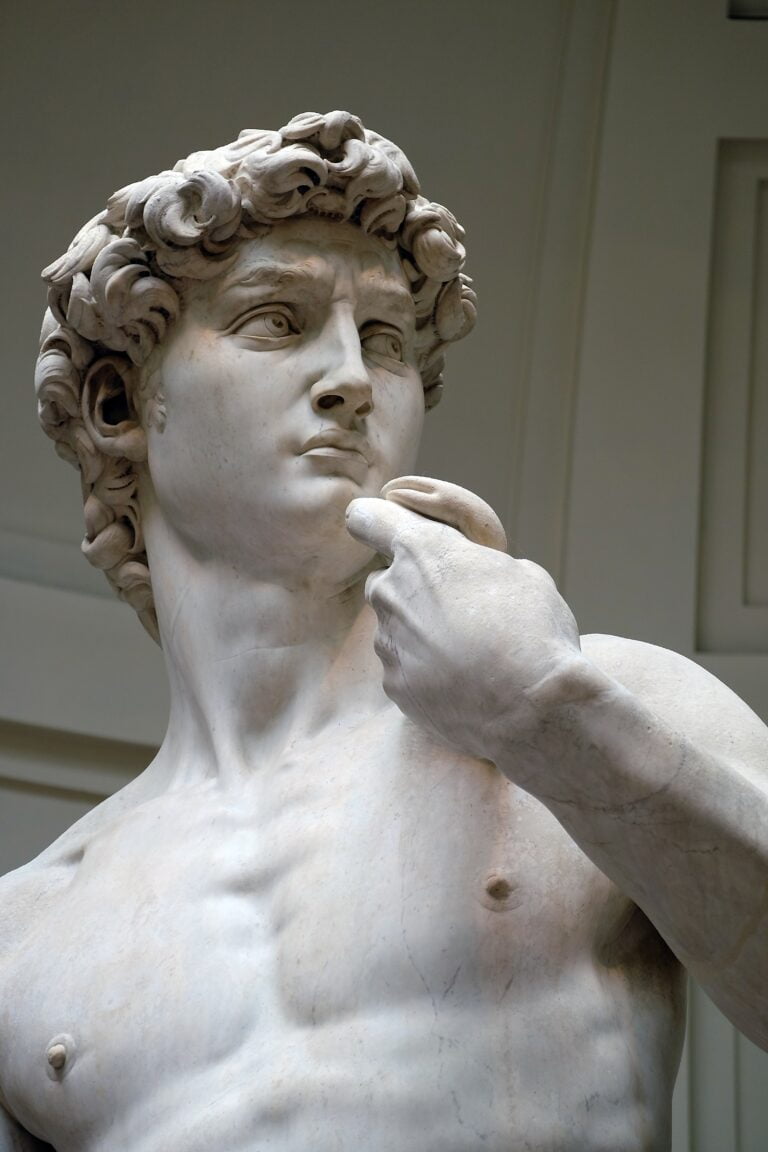
The Crucifix Gallino (after the surname of the Turin antiquarian who sold it to the Italian state in 2008) is a little […]
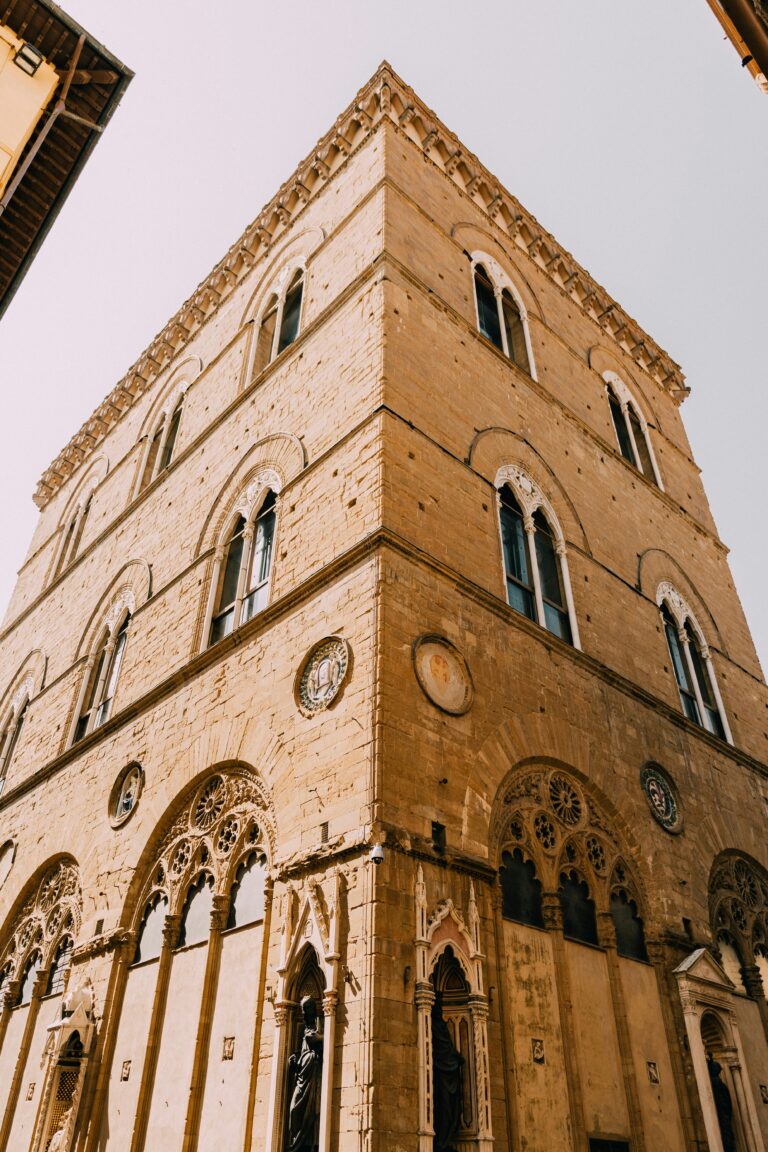
After 400 days of construction and a €1 million investment, the Orsanmichele complex reopens to the public in a new garb. The Orsanmichele complex in Florence will reopen to the public on January 19, 2024, in a completely refurbished garb, following a total of 400 closure days: the museum closed on December 12, 2022, and the church closed January 16, 2023. The restoration, safety, museum reinforcement, and access improvement projects have cost 1.135,026.43 euros in total.
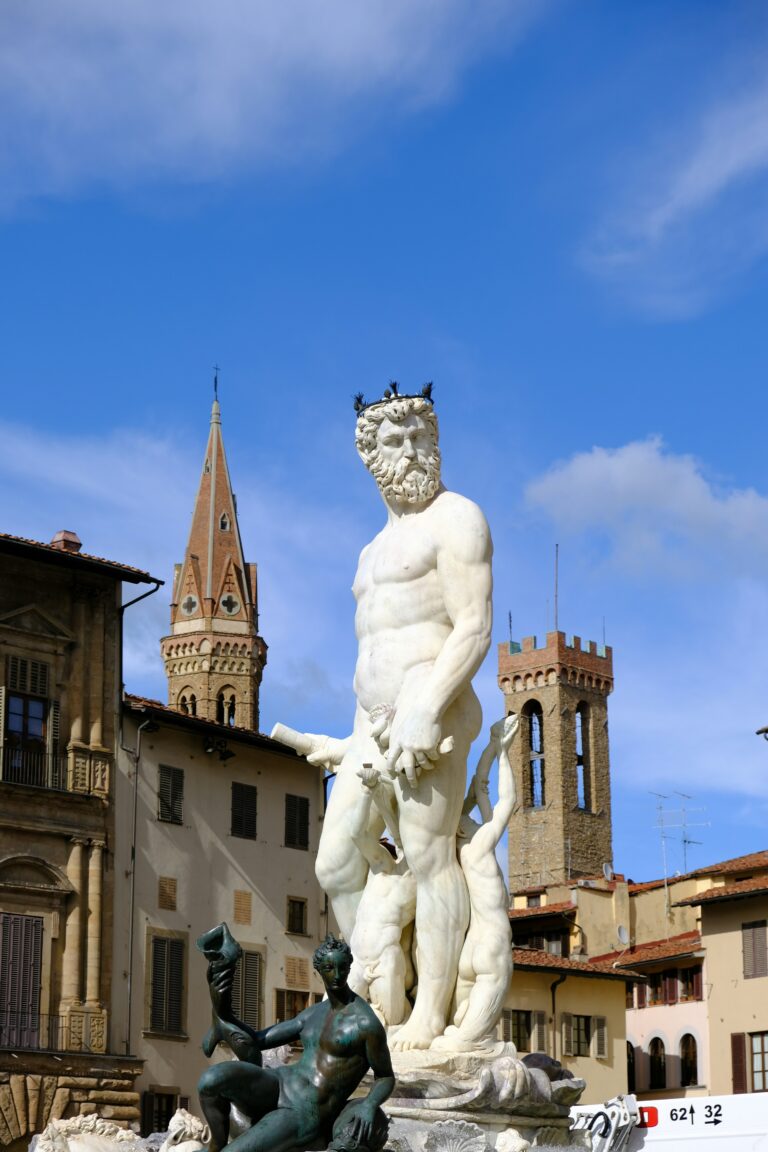
Benvenuto Cellini is believed to have reacted on the noble's decision as follows: "Wretch marble, if with the Bandinelli you had happened badly, with the Ammannati you had happened one hundred times worse". Cellini accused Ammannati of destroying the beautiful marble, and his phrase is being passed down in Florence today. The monument represents Neptune, the Roman god of the rivers and seas, flanked by satirists, tritons, Giambologna's bronze Nereids, and four horses.
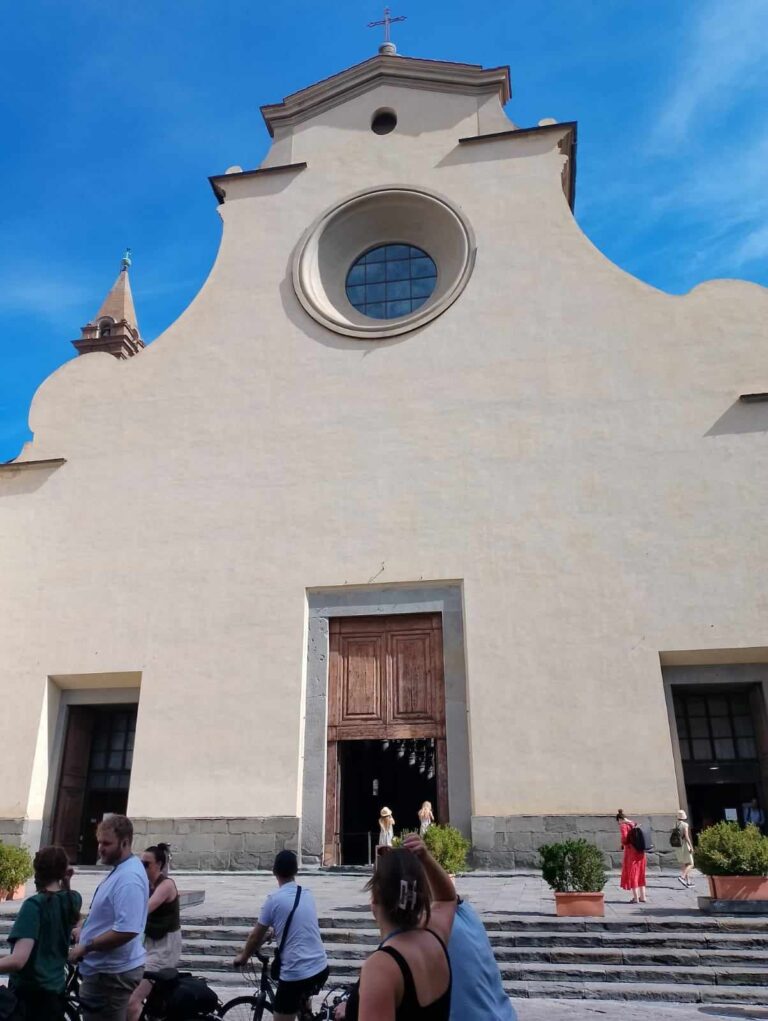
Michelangelo was hosted in the monastery of Santo Spirito in 1492, at the age of seventeen, following the death of his protector, Lorenzo Il Magnifico, who had hosted him during his artistic studies in the enormous family building in via Larga (now Palazzo Medici Riccardi). In this convent, thanks to Piero de'Medici's intercession and the prior's permission, he was able to analyze the corpses from the convent hospital to study anatomy, and it is also because of this experience that Michelangelo became one of the most capable of representing the human body in every smallest detail.
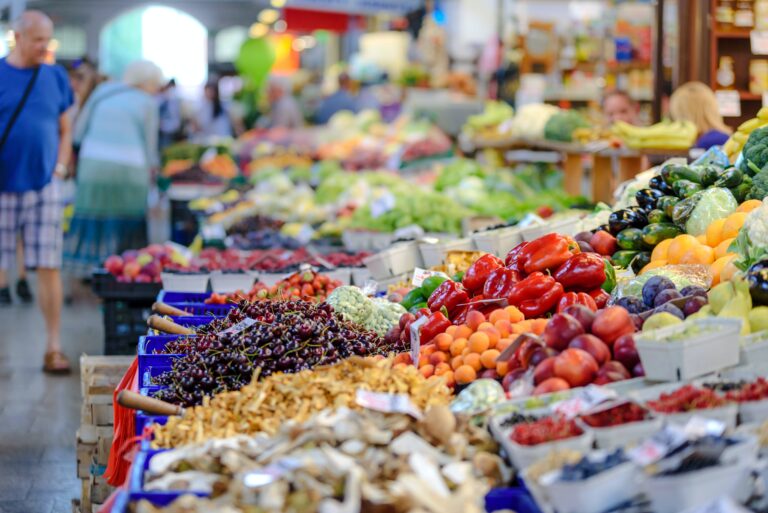
Based on ideas drawn from the Halles Centrales market in Paris and the Covent Garden and Hungerford markets in London, Poggi proposed a system of covered marketplaces with a huge central market bordered by several smaller local markets. The new central market will be located in San Lorenzo's Camaldoli neighborhood, with additional sites in Sant'Ambrogio and San Frediano (now defunct). The construction of the San Lorenzo market was unpopular since many densely populated, decrepit buildings had to be expropriated and demolished, but this was not the case for the other two markets, where the chosen locations were primarily covered in vineyards or vegetable and flower ga
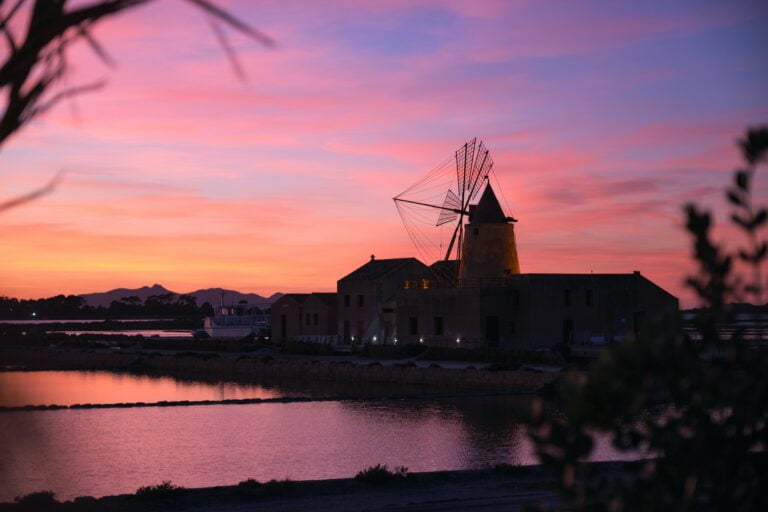
The history of commerce is often hidden in plain sight, tucked away within the salt shakers on our dining tables. A fascinating English parchment dated November 16, 1564, reveals a unique privilege granted to a Florentine gentleman named Tommaso Baroncelli.
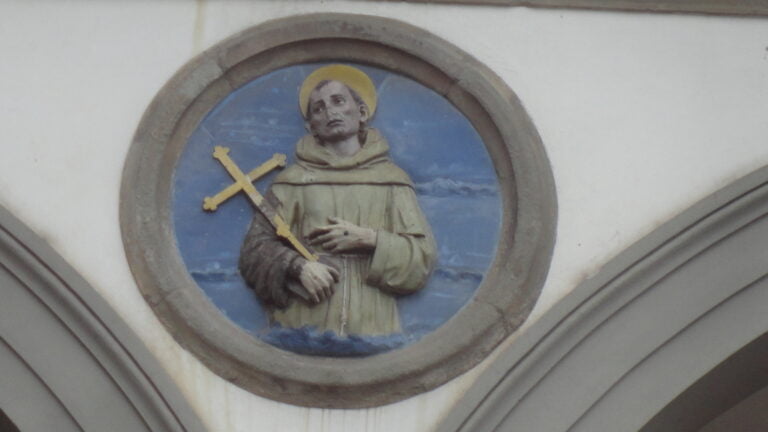
On the other side of the Basilica of S.M.Novella, we may view the vast edifice with the loggia of the former S. […]