
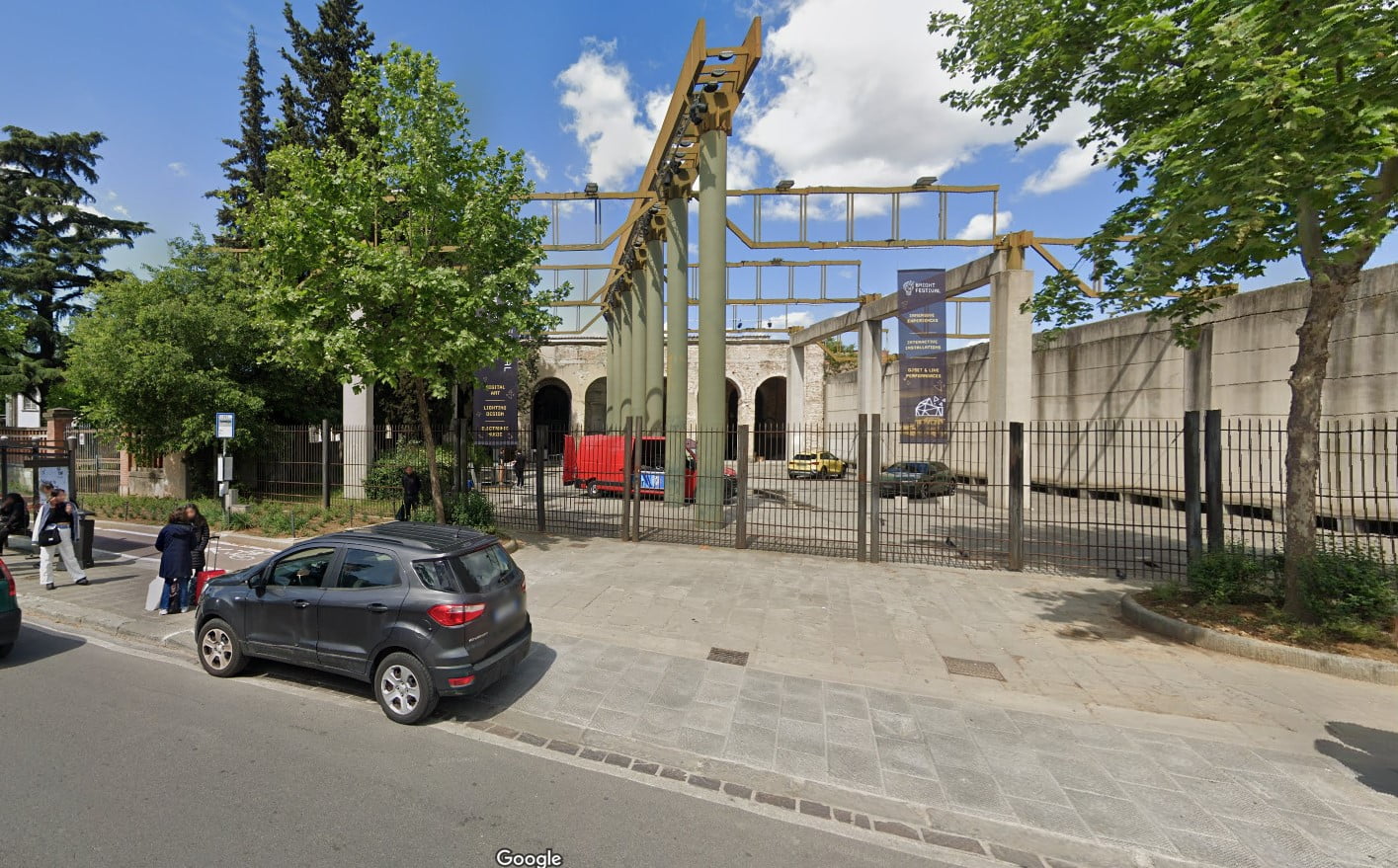
The Leopolda Station in Florence, originally known as Stazione Leopolda, is a historic railway station in Florence, Italy. Built in 1848, it was the city’s first railway station, serving as the terminus for the Leopolda railway line connecting Florence to Livorno. Here are some key points about it:
Historical Background
- Construction and Opening:
- Year: 12 June 1848.
- Purpose: It served as the terminus for the Leopolda railway line from Florence to Livorno.
- Architectural Style:
- The station’s architecture is characteristic of the mid-19th century, reflecting a neoclassical style.
- It includes a grand façade and structural elements typical of the period.
- Operational History:
- Leopolda Station was operational for passenger services until 1860.
- After the opening of Santa Maria Novella station, the main train station in Florence, Leopolda’s role diminished, and it eventually ceased passenger operations.
Current Use
- Cultural and Exhibition Venue:
- Today, Leopolda Station is no longer used as a railway station.
- It has been transformed into a prominent exhibition and cultural venue, known as Spazio Leopolda.
- It hosts various events such as art exhibitions, fashion shows, concerts, and conferences.
- Modern Developments:
- The transformation has preserved much of the original architecture while integrating modern facilities to accommodate diverse events.
- The venue is known for its versatility and historic charm, making it a popular choice for contemporary cultural activities.
Visiting Leopolda
- Location: It is located in the Porta al Prato district, near the city center.
- Accessibility: Easily accessible by public transport or on foot from central Florence.
- Events: Check the official website of Stazione Leopolda or local event listings for upcoming events and exhibitions.
Visual Aspects
- Exterior: Retains much of its historic charm with its classical façade.
- Interior: Adapted to modern needs while preserving historical elements.
For a deeper dive into its history and transformation, you might want to explore resources on Florence’s industrial heritage or visit the site to experience its unique blend of history and contemporary culture.