

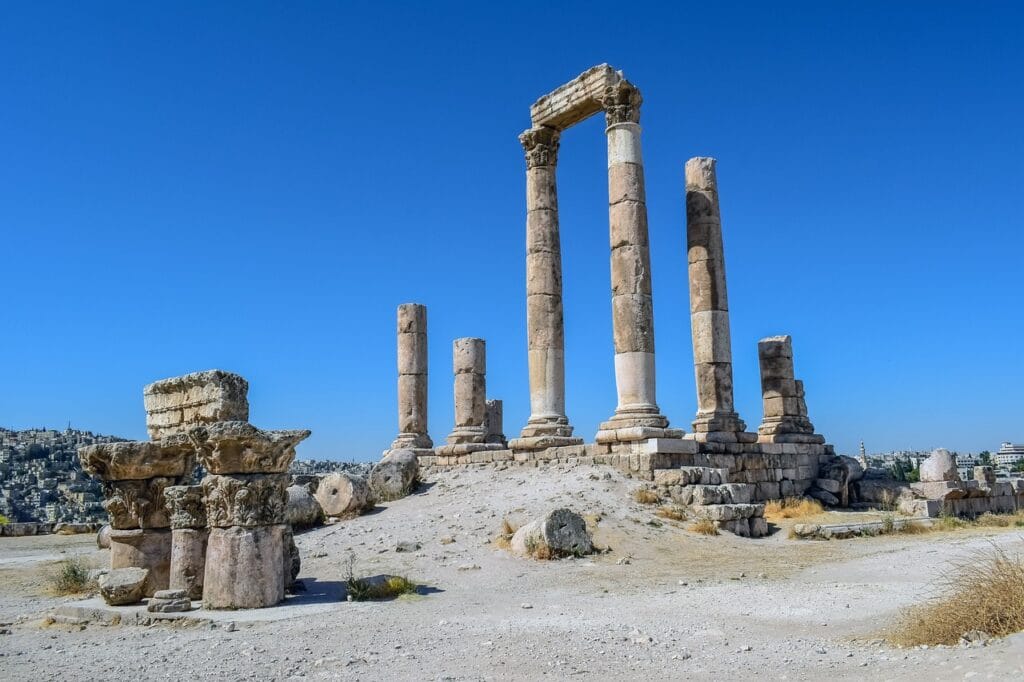
Introduction: Discover Herculaneum Perfectly Preserved City
Today we take you to discover Herculaneum, an ancient Roman city that, like Pompeii, was buried by the eruption of Mount Vesuvius in 79 AD. However, what makes this destination truly extraordinary is its exceptional state of preservation. Located very close to Naples, Herculaneum is easy to reach and offers one of the most fascinating archaeological experiences in Italy.
While Pompeii is world-famous, many travelers don’t realize that Herculaneum Perfectly Preserved City allows you to see Roman life in far greater detail.
How to Reach Herculaneum from Naples
First of all, getting to Herculaneum is extremely simple. From Naples, take the Circumvesuviana train in the direction of Sorrento and get off at Ercolano Scavi station.
The journey takes about 20 minutes, and the ticket costs around 3 euros.
Because of its convenient location, Herculaneum is a perfect half-day trip from Naples or a great addition to a Pompeii visit.
Tickets and Combined Passes
As for entrance fees, the ticket to the archaeological site costs approximately 13 euros.
However, if you want to save money, you can purchase a combined ticket with Pompeii for about 22 euros, which is highly recommended.
As a result, many visitors choose to explore both sites in one or two days to fully understand the differences between them.
Why Herculaneum Perfectly Preserved City Is Unique
What truly sets Herculaneum apart is how it was buried. Unlike Pompeii, which was covered mainly by volcanic ash, Herculaneum was overwhelmed by a super-heated volcanic mudflow. Consequently, this natural process sealed entire buildings, preserving them almost intact.
Because of this, Herculaneum Perfectly Preserved City still contains:
- Wooden doors and beams
- Furniture
- Staircases
- Everyday household objects
For example, you can still see ancient Roman kitchens, where food was prepared, preserved in an astonishing condition.
Streets Frozen in Time
Moreover, while many structures in Pompeii collapsed, Herculaneum’s streets and buildings often retain multiple floors. This allows visitors to better understand how Roman houses were organized vertically.
As you walk through the city, you’ll encounter:
- Perfectly preserved mosaics
- Public bath complexes
- Shops and taverns
- Even a bakery with its original oven
In other words, exploring Herculaneum Perfectly Preserved City feels like stepping into a living Roman town.
The Extraordinary Villa of the Papyri
Without a doubt, the most remarkable discovery in Herculaneum is the Villa of the Papyri. This luxurious Roman residence contained more than 1,800 carbonized papyrus scrolls, making it the only complete ancient library ever found.
Most of these texts are philosophical works, mainly linked to the Epicurean school. Thanks to modern technologies such as advanced scanning and AI imaging, scholars are still deciphering new texts today—without physically opening the fragile scrolls.
As a result, Herculaneum Perfectly Preserved City continues to reveal new secrets even after centuries of excavation.
Is Herculaneum Worth Visiting?
Absolutely. Herculaneum is smaller than Pompeii, less crowded, and easier to explore in a few hours. For travelers seeking a quieter, more detailed archaeological experience, it is often considered even more impressive.
If you are visiting Naples or southern Italy, Herculaneum is not just an alternative to Pompeii—it is an essential stop for understanding daily Roman life at its finest.
Useful External Resources
For further information, you may find these official and educational sources helpful:
- Official Herculaneum Archaeological Park
https://ercolano.cultura.gov.it - Pompeii Sites Official Website
https://pompeiisites.org - National Archaeological Museum of Naples
https://mann-napoli.it - UNESCO World Heritage – Pompeii and Herculaneum
https://whc.unesco.org/en/list/829