
Introduction: Befana Origins Traditions Italy
The Befana Origins Traditions Italy story is deeply rooted in Italian culture and folklore. Celebrated every year on January 6th, the Feast of the Befana marks the end of the Christmas season and combines ancient pagan rituals, Christian symbolism, and popular traditions. But where does this unique celebration come from, and how is it celebrated today across Italy?
Let’s explore the fascinating history and customs behind one of Italy’s most beloved winter festivities.
Ancient Pagan Roots of the Befana
First appearance of: Befana Origins Traditions Italy
To begin with, the origins of the Befana date back to pre-Christian Roman times. Ancient Roman farmers celebrated the end of the agricultural year and the completion of the harvest cycle shortly after the winter solstice.
Key Pagan Elements
- The twelve nights following the solstice symbolized renewal and rebirth
- A female figure representing the old year was believed to fly over fields to ensure fertility
- This elderly woman symbolized nature’s cycle of death and rebirth
Over time, these beliefs merged into the folkloric image we recognize today.
Christian Meaning and the Epiphany
Second appearance of: Befana Origins Traditions Italy
Later on, with the spread of Christianity, the pagan celebration merged with the Epiphany, commemorating the visit of the Three Wise Men to baby Jesus.
According to Christian tradition:
- The Magi asked an old woman for directions to Bethlehem
- She refused to join them, then regretted her decision
- Carrying gifts, she searched for the Child and gave presents to all children she met
As a result, the Befana became a symbol of generosity, repentance, and kindness.
👉 The word “Befana” itself comes from a popular distortion of Epifania (Epiphany).
Who Is the Befana?
Third appearance of: Befana Origins Traditions Italy
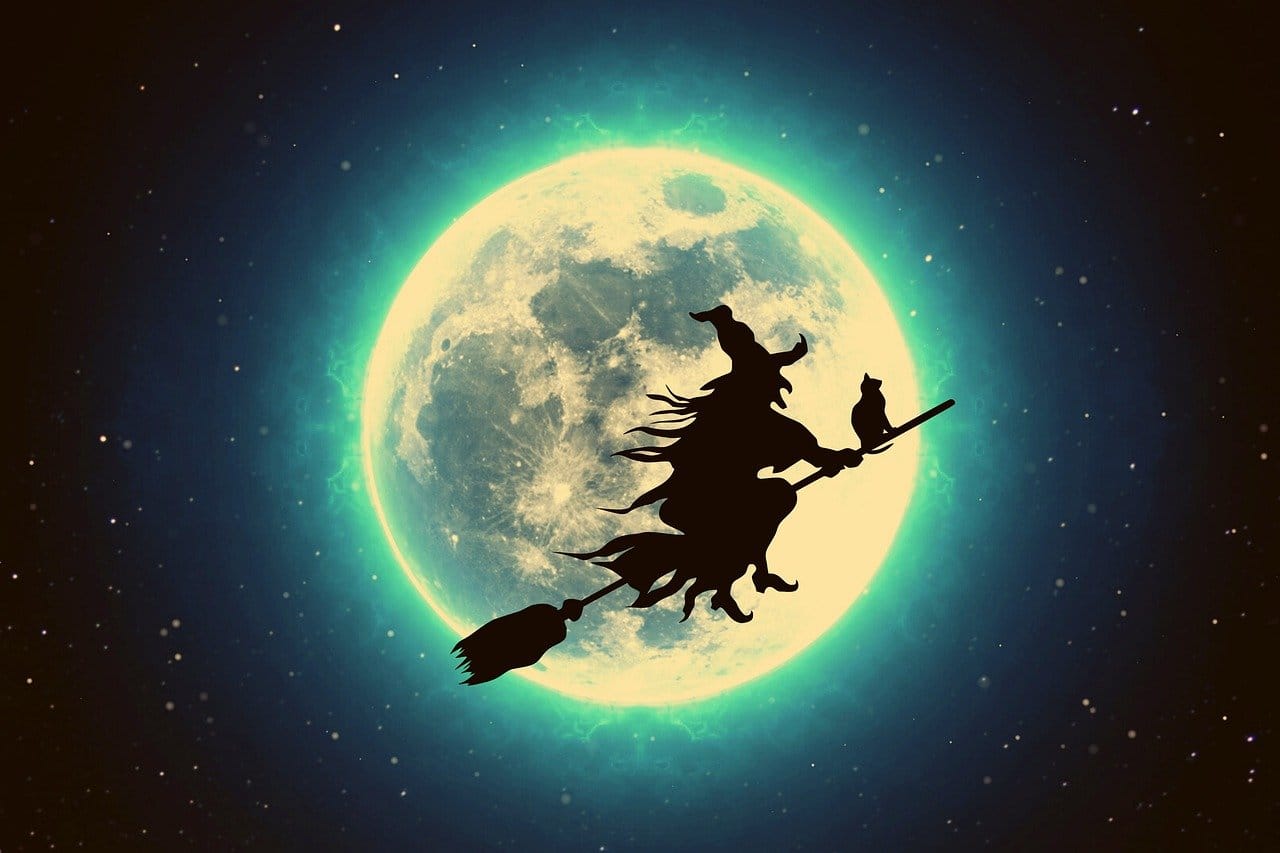
The Befana is traditionally depicted as:
- an elderly woman wearing worn clothes and a shawl
- flying on a broomstick
- carrying a sack full of gifts
Although she may look scary, she actually represents:
- wisdom and experience
- the cleansing of the old year
- the transition into a new beginning
Therefore, her image is not negative, but deeply symbolic.
How the Befana Is Celebrated Today
Fourth appearance of: Befana Origins Traditions Italy
Today, the Befana is celebrated throughout Italy, especially by children and families.
Modern Traditions
- On the night between January 5th and 6th, children hang stockings
- The Befana fills them with:
- sweets and toys for good children
- sweet charcoal for naughty ones
Festivals and Events
Moreover, many Italian cities organize:
- street festivals
- traditional markets
- costumed performances
📍 The most famous celebration takes place in Piazza Navona, Rome, attracting visitors from all over the world.
Traditional Befana Sweets and Treats
In addition, typical Befana sweets include:
- sugar coal (carbone dolce)
- nougat and candied nuts
- chocolate-filled stockings
- regional pastries and fried desserts
These treats make the Befana a joyful moment for all ages.
Popular Meaning and Italian Sayings
Finally, the Befana symbolizes:
- the end of the Christmas holidays
- reflection and renewal
- family togetherness
A well-known Italian saying sums it up perfectly:“The Epiphany takes all holidays away.”
External Resources and Further Reading
To deepen your understanding of the Befana and Italian traditions, here are 4 authoritative external sources:
- Catholic explanation of the Epiphany – Vatican👉 https://www.vatican.va
- Roman winter festivals – Turismo Roma👉 https://www.turismoroma.it
- Italian folklore traditions – Britannica👉 https://www.britannica.com
- Italian holiday customs – Italy Magazine👉 https://www.italymagazine.com