
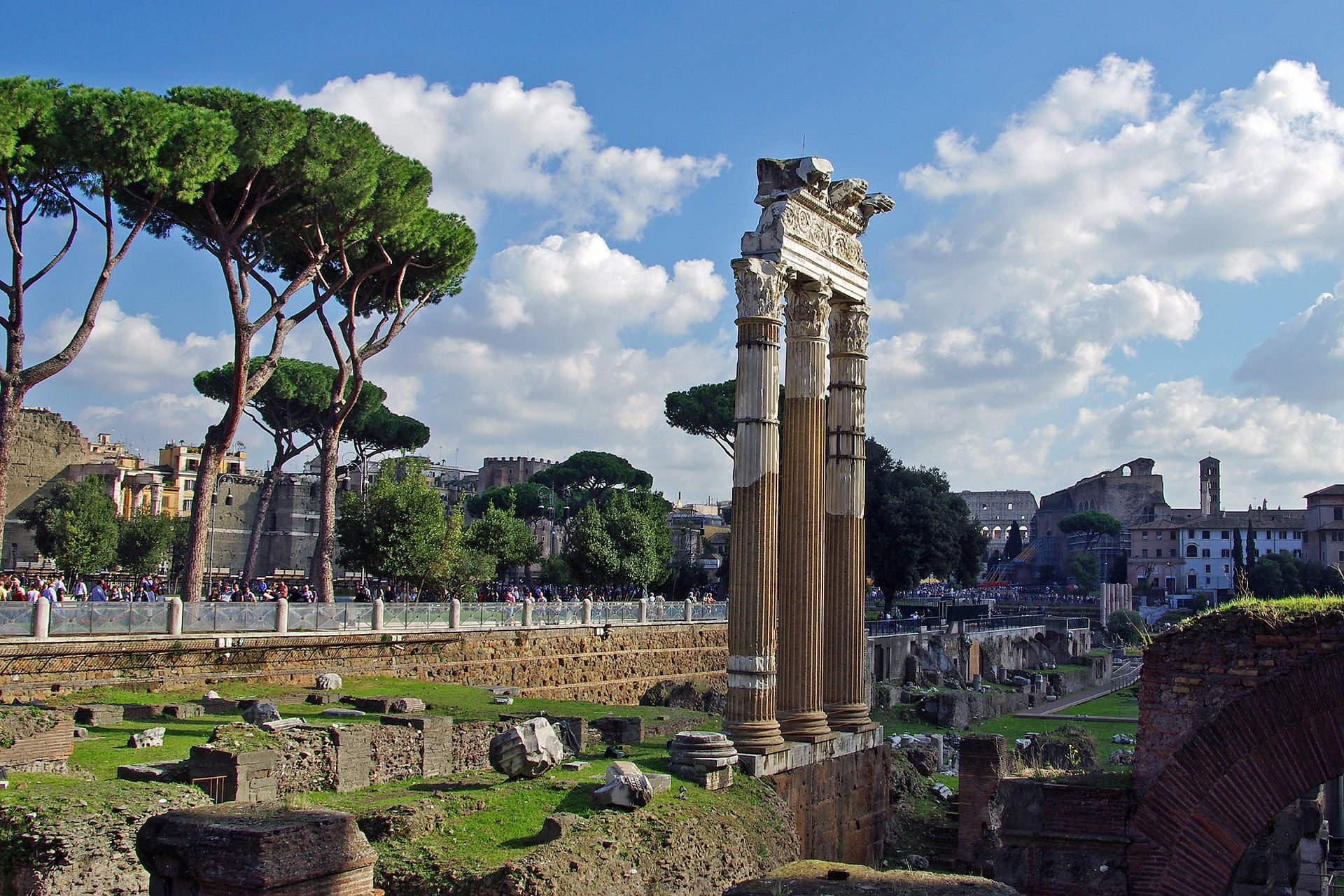
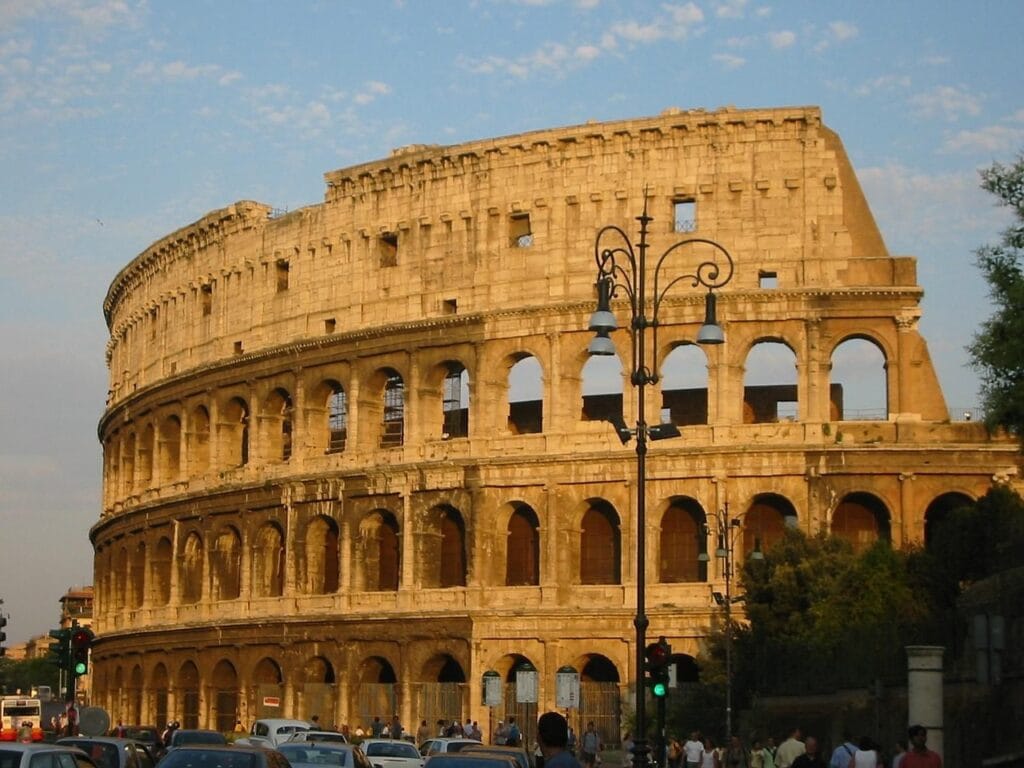
Spanish Boy Finds Roman Coin — a simple holiday moment turned into an unforgettable history lesson in the heart of Italy. During a family trip to the ancient area of the Colosseum in Rome, a young Spanish tourist made an extraordinary discovery that quickly caught international attention.
According to reports published by RomaToday, the boy noticed a small metallic object lying among the stones inside the archaeological area. At first glance, it seemed like an ordinary coin. However, after closer inspection, experts confirmed that it was a genuine Roman coin dating back to the 3rd century AD — a period marked by political instability and rapid changes of emperors.
👉 Source:
https://www.romatoday.it/attualita/colosseo-bambino-trova-moneta-romana.html
A Living History Beneath Our Feet
Spanish Boy Finds Roman Coin is not just a headline — it is a powerful reminder that Rome is truly an open-air museum. Every step inside the archaeological park can reveal fragments of daily life from nearly 2,000 years ago.
The coin was immediately handed over to the authorities of the Parco Archeologico del Colosseo, demonstrating respect for Italy’s cultural heritage laws. In Italy, in fact, any archaeological object found in the ground automatically belongs to the State and must be reported.
Learn more about the Colosseum archaeological area here:
https://parcocolosseo.it
Furthermore, discoveries like this highlight how coins were essential tools of communication in the Roman Empire. They carried the image of emperors, spreading political messages across vast territories.
For historical background on Roman coinage:
https://www.britannica.com/topic/Roman-coinage
Why This Story Is Perfect for a Free Walking Tour
Spanish Boy Finds Roman Coin is a fantastic story to share during a free walking tour of ancient Rome. Why? Because it connects visitors emotionally to the past. Instead of speaking only about emperors and gladiators, guides can show how ordinary people used objects like coins in their daily lives.
Moreover, this event encourages visitors to observe their surroundings carefully. History is not only displayed in museums — sometimes, it literally lies beneath our feet.
If you want to explore more about visiting the Colosseum area:
https://www.coopculture.it/en/colosseo-e-shop.cfm
And for official tourism information about Rome:
https://www.turismoroma.it/en
A Lesson in Respect and Curiosity
Finally, Spanish Boy Finds Roman Coin teaches two important lessons: curiosity and responsibility. The young tourist did not keep the coin as a souvenir. Instead, he immediately informed authorities. Consequently, the artifact can now be studied and preserved for future generations.
Therefore, when leading a free tour, this story becomes more than just news — it becomes a powerful example of how visitors and locals alike play a role in protecting cultural heritage.
In conclusion, Spanish Boy Finds Roman Coin perfectly captures what makes Rome extraordinary: unexpected discoveries, living history, and the timeless connection between past and present.