
Best Rooftop Bars in Florence, this city is famous for art but also for its exclusive rooftop bars that offer breathtaking views over the city’s skyline.


Best Rooftop Bars in Florence, this city is famous for art but also for its exclusive rooftop bars that offer breathtaking views over the city’s skyline.
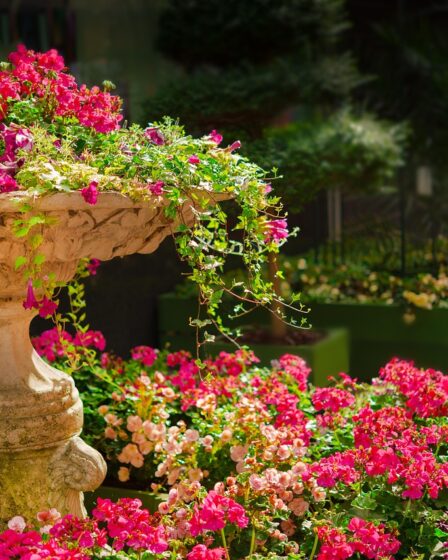
Garden of La Quiete, is finally open to the public — a rare opportunity to discover one of Florence’s most precious and lesser-known historical sites.
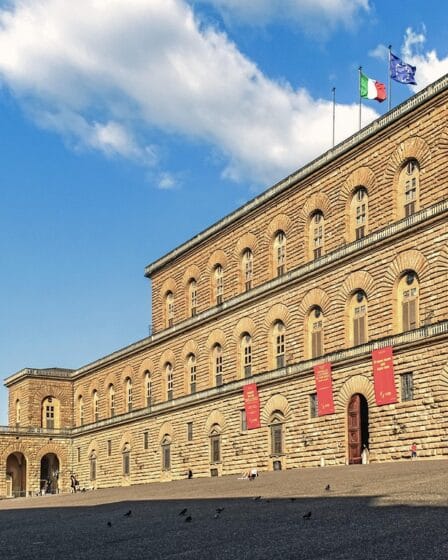
Let’s dive into an unforgettable event The Naval Battle in Pitti Palace that turned Florence into the stage of one of the most breathtaking spectacles Europe

Within the Uffizi Gallery, every corner holds a breath of eternity, but none quite like U.M.M.A.—Room 17, known as the Stanzino delle Matematiche.
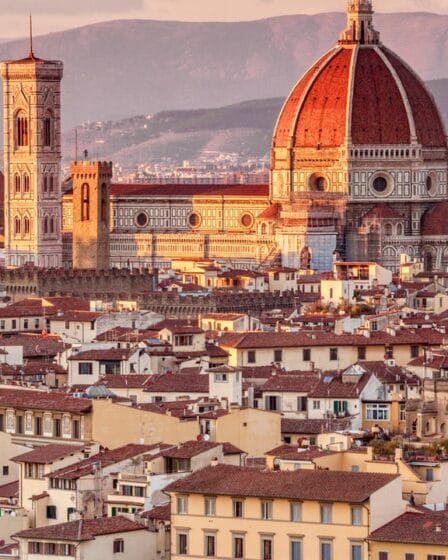
The Legacy of Mino da Fiesole A Hidden Treasure in the Heart of Florence The story of Mino da Fiesole is a journey through art, history, and the soul of Florence. Known as a master of marble carving, his life resurfaced in a surprising way. In 1905, workers were renovating a building at number 7, …
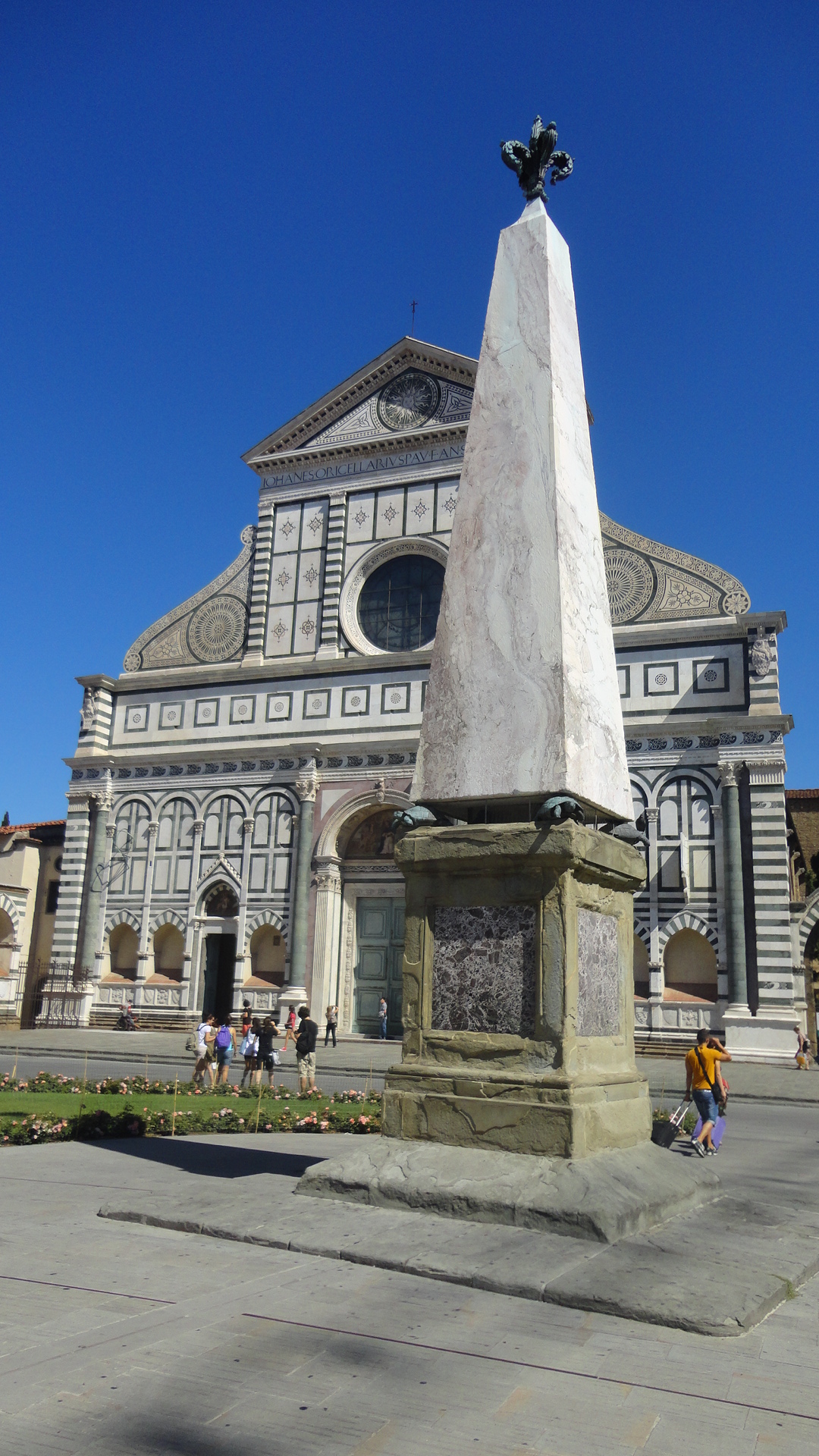
Today, art historians and institutions continue to rediscover and celebrate Plautilla Nelli contributions on Florence and in the renaissance time.
A Journey Through Florence’s Sculptural Heritage The Bargello Museum Florence stands as a testament to Italy’s rich artistic legacy. Housed in the historic Palazzo del Bargello, this museum offers visitors an unparalleled glimpse into Renaissance sculpture and decorative arts. Origins of the Bargello Museum Constructed in the mid-13th century, the Palazzo del Bargello originally served …

The Angel’s Corner reminds us that the past lives in the present, not just through grand monuments but also through whispered stories, symbolic signatures, and hidden angels
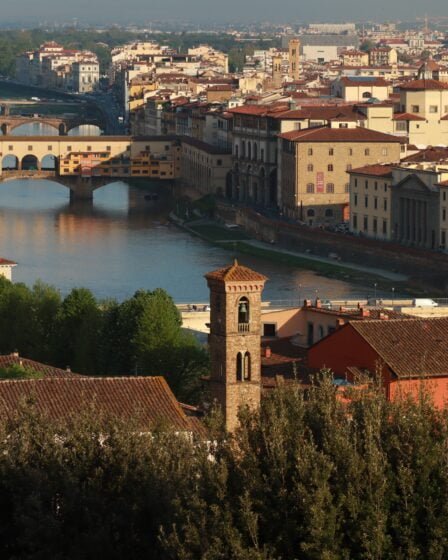
Part 1: A Spiritual Secret on Via Giusti Hidden Fresco of Christ in Florence Via Giusti is one of those hidden corners of Florence that quietly guards stories and secrets. Just outside the gate of the Salvemini-Duca d’Aosta Technical Institute, beneath a modest canopy promoting the Museum of the Fondazione Scienza e Tecnica, a remarkable …
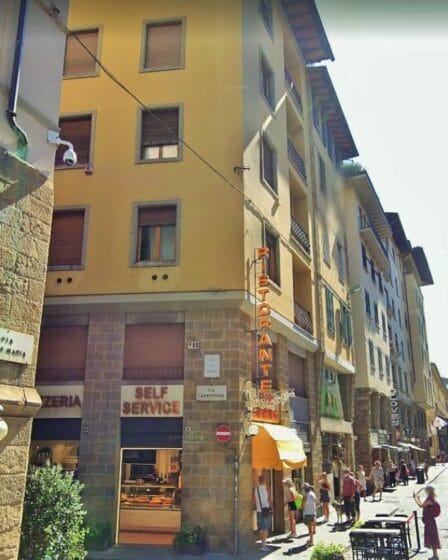
Unveiling the medieval legacy of Via Lambertesca and the noble Girolami family in the heart of Florence is the location of The Lost Tower in Florence