
Introduction: The Miracle of Faith
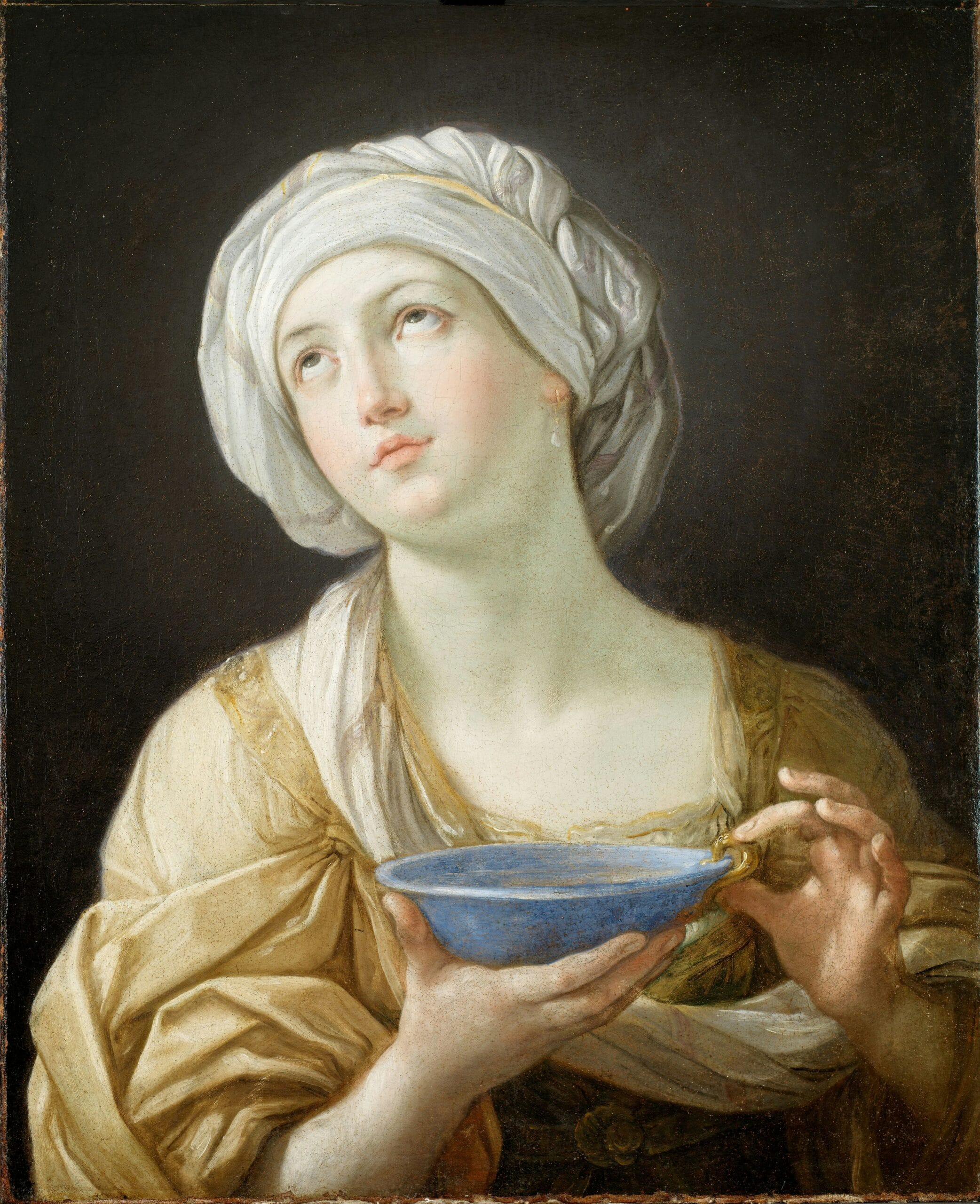
According to an ancient legend, The Miracle of Faith has its roots in the deep traditions of popular devotion. It tells of the Virgin Mary’s home, a sacred place where faith, suffering, and hope intertwined in everyday life. Through this touching story, this Miracle reveals the eternal struggle between truth and deception — between the pure hearts who seek God and those who approach Him with false intentions.
Pilgrims and Seekers at Mary’s Home
In the early centuries of Christianity, the house of the Virgin Mary was said to be the destination of daily pilgrimages. Men and women of every condition came to that humble dwelling: the blind, the leprous, the sick — all seeking divine mercy and the grace of the Son of God. Yet, along with the faithful, came others — people blind not in body but in spirit. These impostors did not come to worship but to betray, ready to deliver Jesus into the hands of those who would crucify Him.
This delicate contrast between devotion and deceit lies at the heart of The Miracle of Faith, a symbol of how divine truth can separate sincerity from hypocrisy.
The Virgin’s Anguish and the Divine Sign
The Virgin Mary, as the legend recounts, lived in deep anguish. How could she distinguish those who sought her Son with love from those who sought Him with malice? One day, a heavenly sign appeared — a miracle born from nature itself.
On the windowsill of her home grew a small green plant, simple and fragrant. By divine will, this modest herb became a tool of revelation. When a sincere believer entered, the plant released a sweet and penetrating perfume, filling the air with purity and peace. But when a hypocrite or traitor came near, the plant remained still and scentless.
Thus, The Miracle of Faith became known as a story of discernment — of how nature itself could become the voice of truth.
Symbolism of the Miraculous Herb
This legend belongs to the vast medieval tradition that assigned mystical powers to plants, often attributing to them protective or revealing properties. The choice of a fragrant herb is no accident. In popular culture across Europe, scented plants have long symbolized purity, honesty, and divine grace. The perfume represented the presence of the sacred, while the absence of scent signified sin or deceit.
In this way, The Miracle of Faith reflects a universal belief — that truth carries its own fragrance, impossible to counterfeit.
From Legend to Daily Life
The story also gave rise to a fascinating domestic custom. Young women used to keep a small bunch of this “miraculous herb” in their rooms as a form of spiritual protection. They would also prepare herbal infusions from it — not merely as natural remedies, but as symbolic acts of faith. Each sip or breath of its aroma was a reminder of The Miracle of Faith, the divine power that distinguishes love from deceit, devotion from hypocrisy.
Conclusion: A Living Memory of Faith
Even today, legends like this one remind us how deeply faith and daily life were intertwined in medieval culture. The Miracle of Faith continues to inspire reflection on sincerity, humility, and the unseen signs that separate truth from illusion.