

Introduction
Welcome to this guide dedicated to Hidden Rome Uncovered, a journey through five unusual, surprising, and little-known places that most tourists never see. These secret corners offer a different perspective on the Eternal City and are perfect for curious travelers looking for unique experiences.
1. The Water Clock in Villa Borghese
A 19th-Century Mechanical Wonder
To begin with, one of the most fascinating hidden gems in Rome is the Water Clock located in Villa Borghese. Designed in 1867 by Dominican friar Giovanni Battista Embriaco, this extraordinary clock functions entirely thanks to the natural movement of water. Two small cascades activate a system of gears and weights, making the clock hands move without electricity.
Moreover, the Water Clock is placed in the picturesque Giardino del Lago, next to the Temple of Aesculapius, creating an enchanted and peaceful atmosphere.
👉 Fun fact: Only a few water clocks in the world still work today — and this is one of them.
Hidden Rome Uncovered
2. The Keyhole of the Aventine
A Perfect Architectural Illusion
Next, the famous Aventine Keyhole offers one of the most magical views in Italy. It is located on the door of the Priory of the Knights of Malta, and through this tiny opening, you can admire a perfectly aligned panorama: the garden hedges, the tree-lined avenue, and finally the majestic dome of St. Peter’s Basilica.
Additionally, the symmetry was intentionally designed, turning an ordinary keyhole into an extraordinary viewing point.
👉 Tip: Visit at sunset or after dark — the illuminated dome is breathtaking, though there may be a queue.
Hidden Rome Uncovered
3. The Cat Sanctuary of Torre Argentina
Ancient Ruins and Feline Friends
Furthermore, in the very heart of Rome lies the Torre Argentina Cat Sanctuary, built among the archaeological remains where Julius Caesar was assassinated. Today, this historic site is home to one of Italy’s most famous feline colonies, lovingly cared for by volunteers.
Inside the sanctuary, you can learn about the cats, support the project, or even adopt a furry friend at a distance.
👉 Why it’s unique: It is the only ancient Roman site officially inhabited by a structured cat colony.
Hidden Rome Uncovered
4. The Monster Door Behind the Spanish Steps
A Surprising Baroque Curiosity
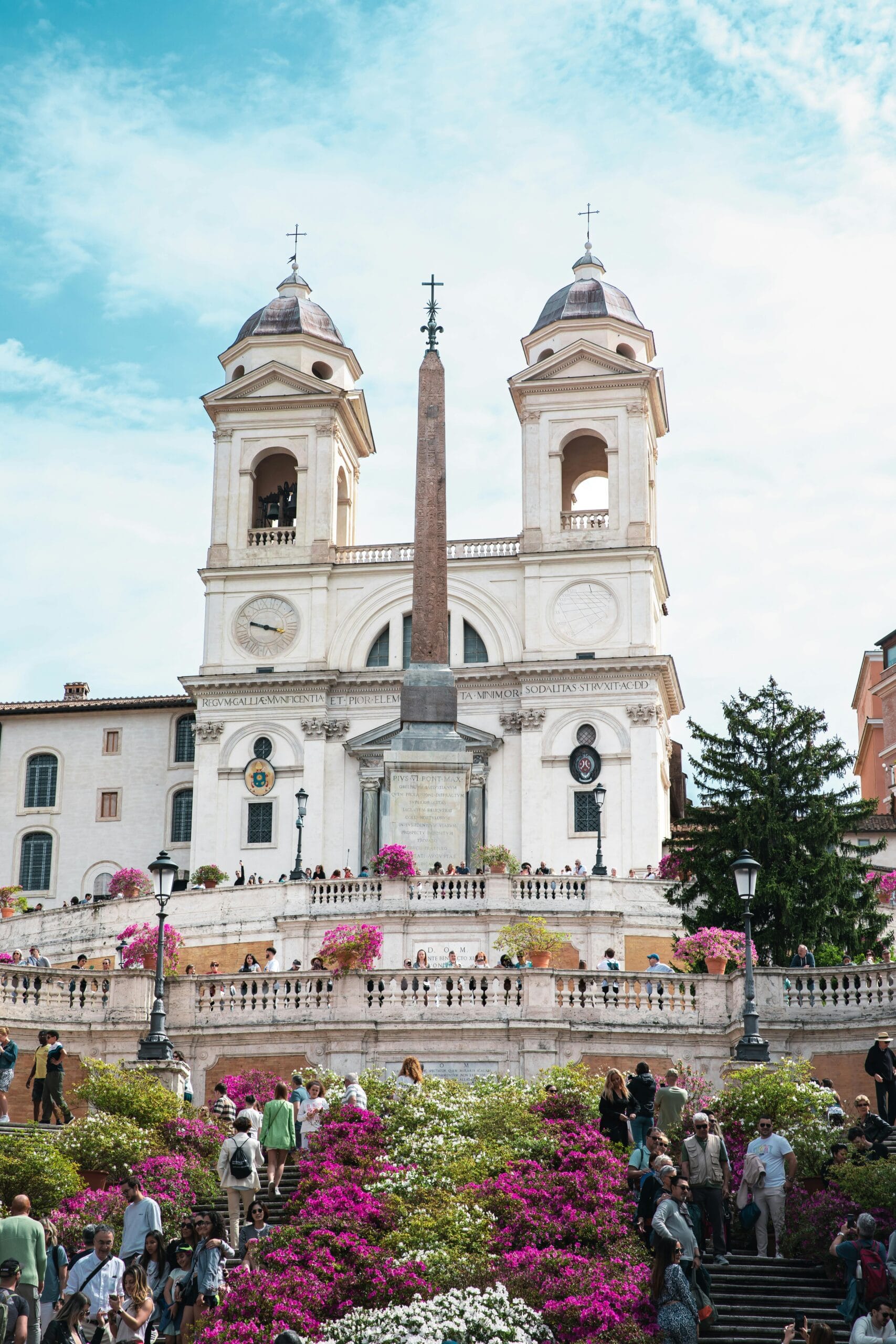
Moving on, behind the iconic Spanish Steps, you’ll find the mysterious Monster Door — a baroque doorway carved with a grotesque face, wide-open mouth, and dramatic expression. Although many people walk by without noticing it, this detail adds a fantastical, almost fairy-tale touch to the neighborhood.
Originally known as the Dragon Door, it symbolized protection and strength during the 17th century.
👉 Perfect for photos: A quirky and unusual backdrop for creative shots.
Hidden Rome Uncovered
5. Little London (Piccola Londra)
A Charming British Corner in Rome
Finally, one of the most surprising places in the city is Little London, a small pastel-colored street built in the early 1900s. Designed under Mayor Ernesto Nathan, the idea was to bring a touch of British elegance to Rome.
Walking along this quiet street, you will notice low Victorian-style houses, iron railings, and a calm atmosphere completely different from the rest of the city.
👉 Why visit: Ideal for romantic strolls, peaceful walks, and Instagram-ready photos.
Conclusion
In conclusion, Hidden Rome Uncovered reveals a side of the Eternal City that goes far beyond the usual tourist routes. By exploring these five unusual locations, you can dive into a more intimate, surprising, and authentic Rome — one that most visitors never discover.
Useful External Links
- Villa Borghese Official Info – https://www.turismoroma.it/en/node/3177
- Aventine Hill & Keyhole – https://www.atlasobscura.com/places/aventine-keyhole
- Torre Argentina Cat Sanctuary – https://www.gattidiroma.net/web/en/
- Rome Tourist Board – https://www.turismoroma.it/en