
The Grand Duke of Tuscany employed a number of personal emblems that represented his astrological sign, his passions, and the ascent to prominence of his dynasty.
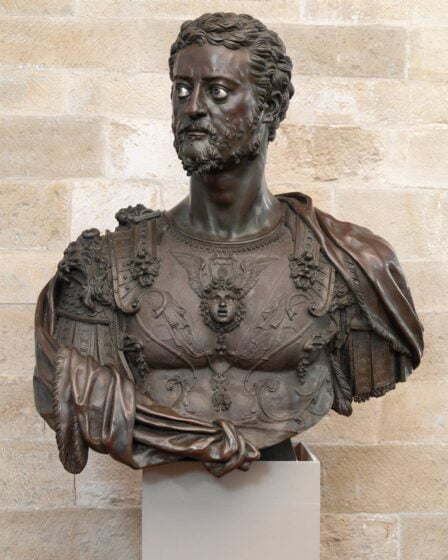
The Grand Duke of Tuscany employed a number of personal emblems that represented his astrological sign, his passions, and the ascent to prominence of his dynasty.

Ognisanti a church with a original story, that involved Sandro Botticelli that was making a fresco of Sant. Agostino and a funny inscription.
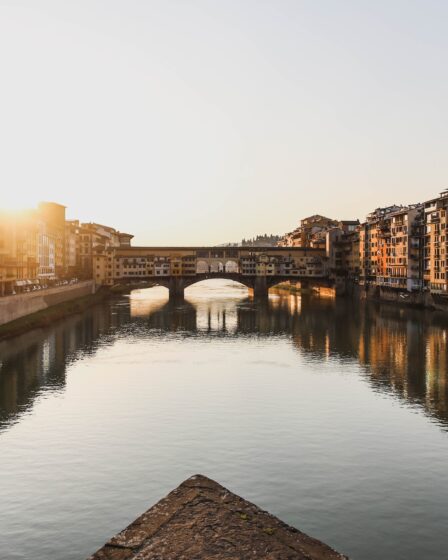
Not many people knows that the famous artist that made Venus and Spring was also a guy tat like to play many joke at its friends, here some records from its life.
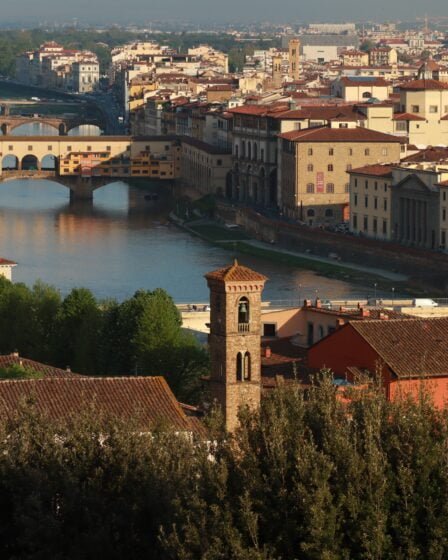
Commesso Fiorentino is a highly accomplished artistic style that developed in Florence, Italy during the late Renaissance. It is often referred to as pietra dura or Florentine mosaic. This complex art style includes piecing together finely cut semi-precious stone fragments to create complicated pictures.
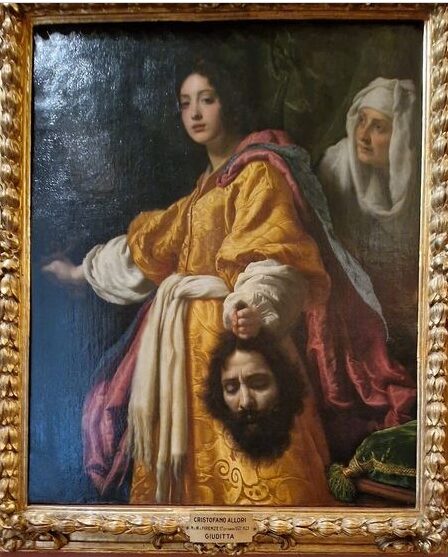
Through the lessons of Artemisia Gentileschi, who painted two violent renditions of Judith for Cosimo II at the same era while working for the Medici family, Cristofano recognizes his influence from Caravaggio in this piece.
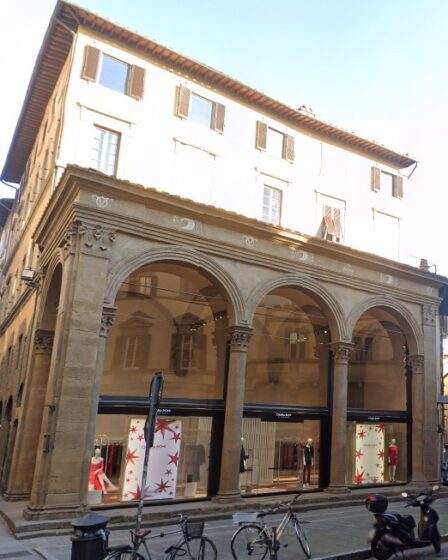
There is a really special lodge called Rucellai Lodge in Vigna Nuova. Constructed by Renaissance architect Leon Battista Alberti, it has served as a mail office, a café bar, and an art studio until the present.
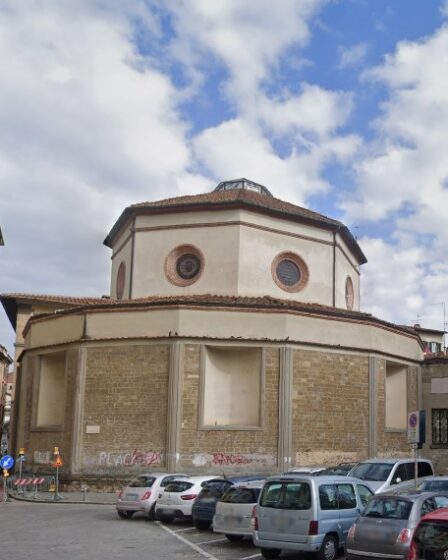
The Round of Brunelleschi is a distinctive structure located in Florence’s center. Designed by renowned architect Brunelleschi, it took a long time to finish.
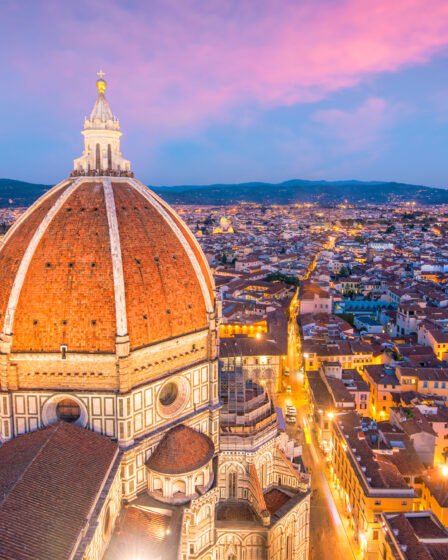
Segato’s most well-known research was done in Florence, where he carried out studies that gave him the ability to preserve human tissues in a way that gave the impression that they had been transformed into stone.

Giuseppe Verdi Street close to Santa Croce Basilica and square has a very long story in the origin its name was via del Fosso from medieval age, until our time…
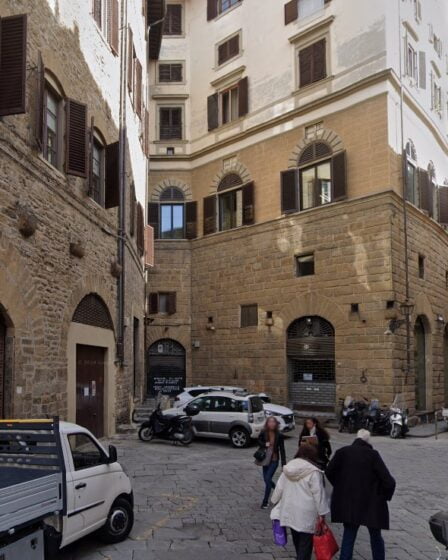
The remnants of Florence’s Roman amphitheater, constructed in the second century AD, may be seen between Piazza dei Peruzzi, via dei Bentaccordi, and via Tòrta. Built between 124 and 130 AD, it marked the easternmost point of Roman Florentia’s greatest growth and was situated outside the city walls, which extended a few hundred meters across …