

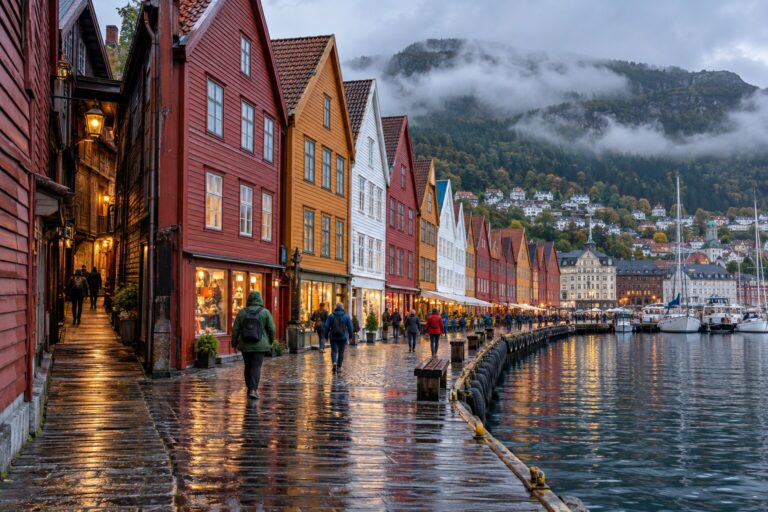
Bergen waterfront walk: Bryggen to the wooden lanes of Nordnes
A self-guided Bergen waterfront route from UNESCO-listed Bryggen to Nordnes, with wooden lanes, harbour views and practical rain tips.
YOUR TRIP, MATCHED AROUND YOU
Forget endless tabs and generic lists. Tell us where you're going and what makes a journey unforgettable to you.
A self-guided Bergen waterfront route from UNESCO-listed Bryggen to Nordnes, with wooden lanes, harbour views and practical rain tips.
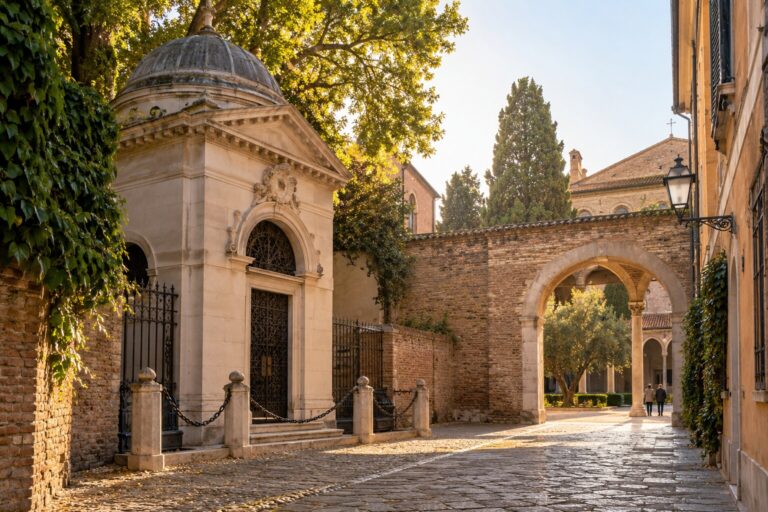
A quiet self-guided walk through Ravenna’s Dante district, linking the poet’s tomb, Franciscan cloisters, San Francesco and nearby mosaic heritage.
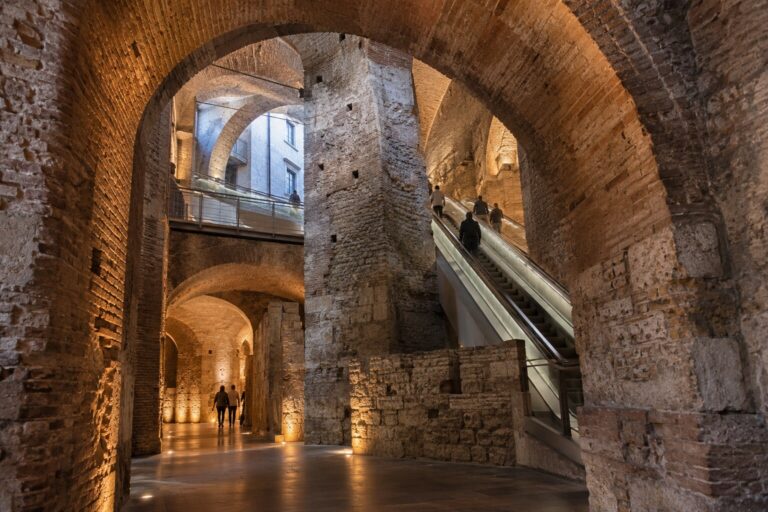
A practical self-guided route through Rocca Paolina’s buried streets, Porta Marzia, Corso Vannucci and the historic centre of Perugia.
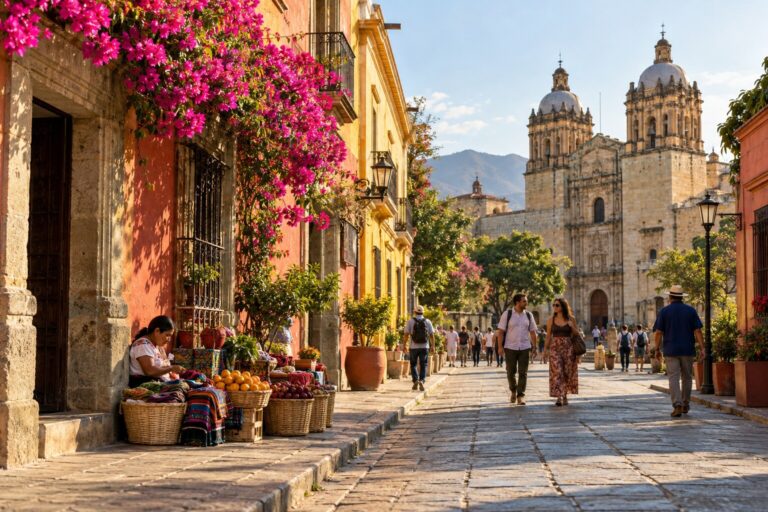
A practical self-guided walk linking Santo Domingo, the Zócalo and Oaxaca's historic markets, with UNESCO context and etiquette tips.
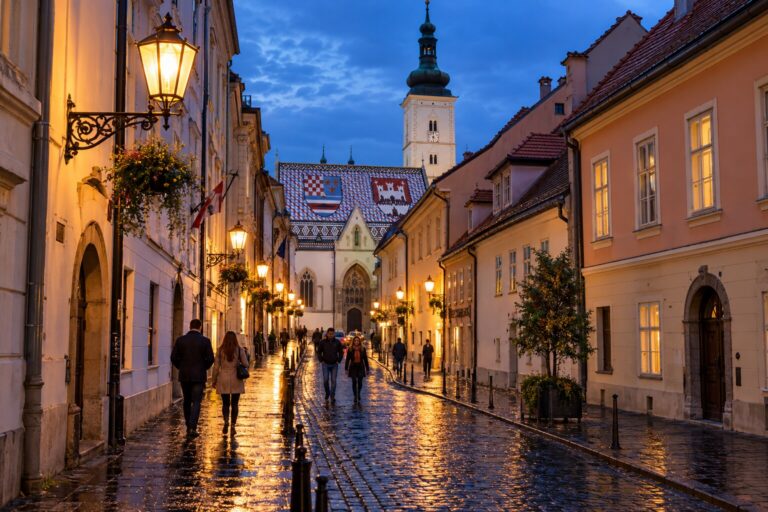
A dusk walk through Zagreb Upper Town, linking the reopened funicular, historic gas lamps, St Mark's Square and the Stone Gate.
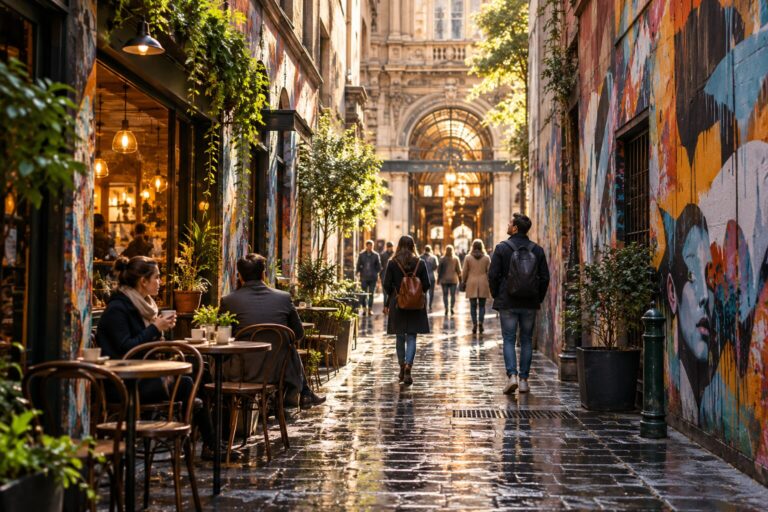
A practical self-guided route through Melbourne's street-art lanes, historic arcades and café-filled passages, with timing and responsible travel tips.