
Introduction
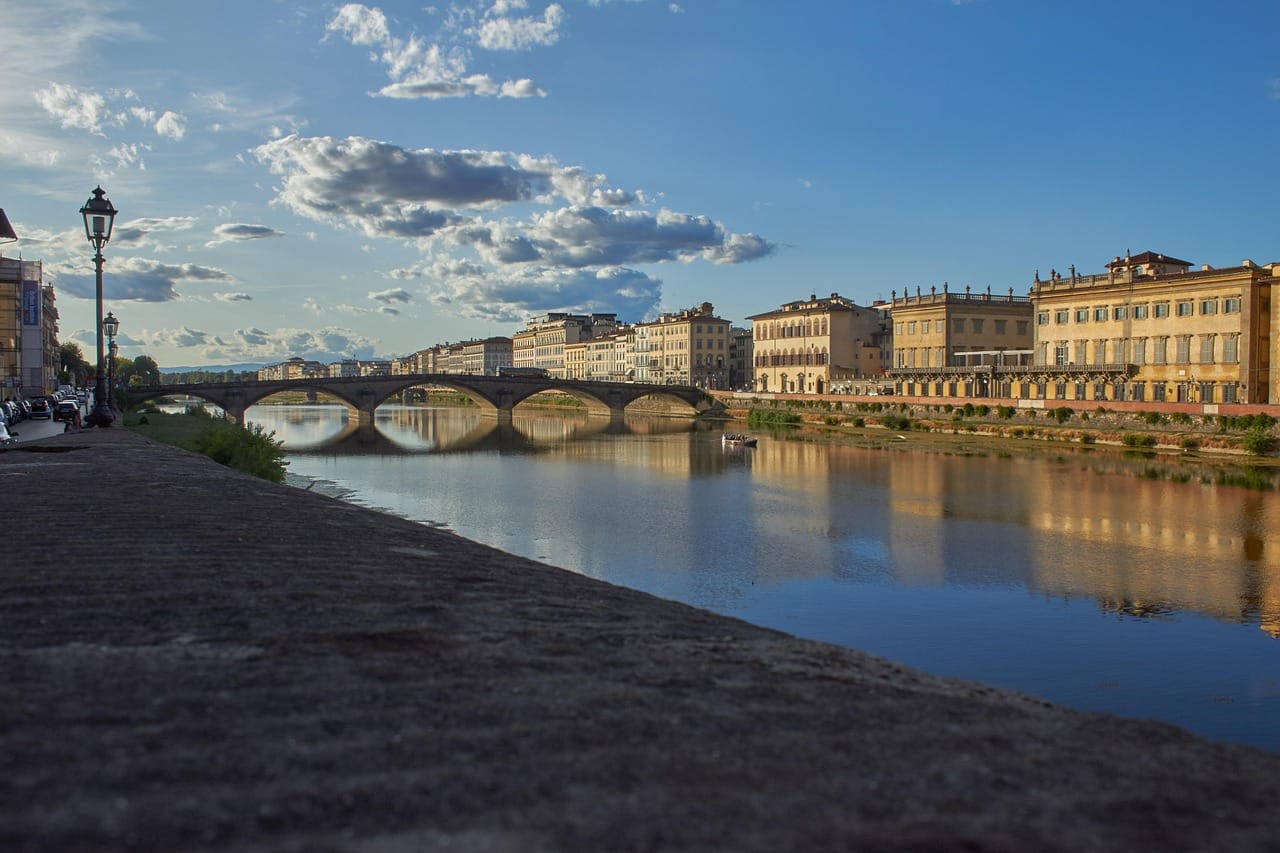
In the heart of Florence’s Oltrarno district lies a place where history, myth, and architecture overlap in fascinating ways. This story—The Grifagno Hawk Square—guides you through centuries of transformation, from medieval symbolism to monastic life and modern civic functions.
The Grifagno Hawk Square
From a Ferocious Name to a Literary Echo
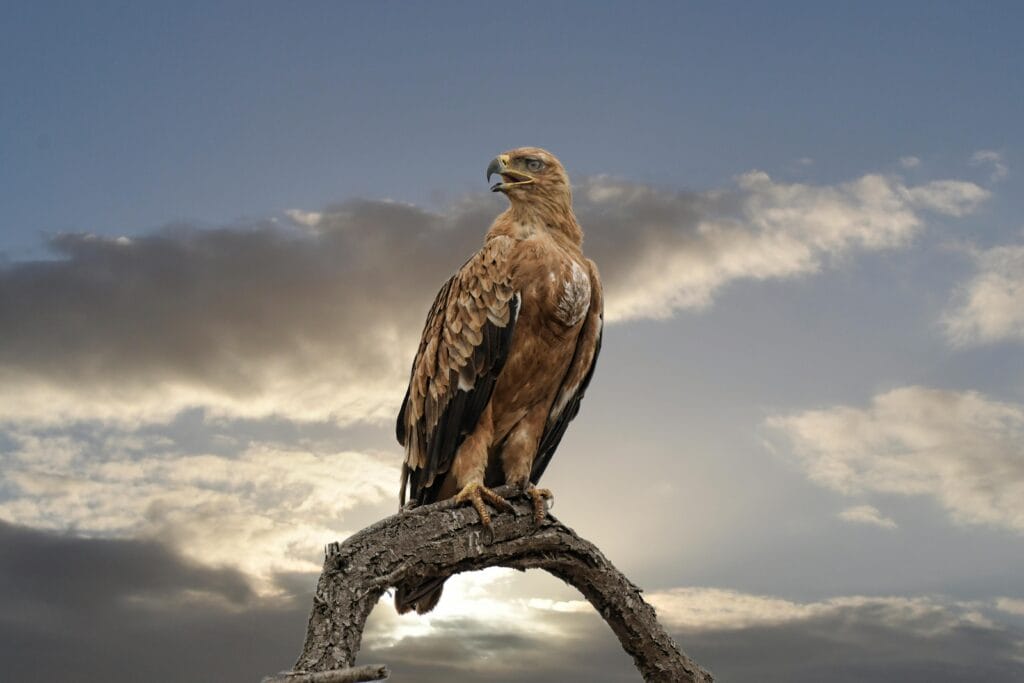
Originally, the area that is now Piazza del Cestello carried a much more enigmatic and even fierce name: Piazza dell’Uccel Grifagno. This old name, which literally evokes a predatory hawk, symbolized sharp claws ready to strike and an intense, penetrating gaze.
The Grifagno Hawk Square was not a random designation; in fact, it appears in the literary masterpieces of the time. For instance, Dante mentions a demon in Inferno Canto XXII, describing it “as a hawk with grifagno talons ready to seize.” Moreover, Ariosto echoes the image in Orlando Furioso: “Like a hawk with grifagno claws holding the partridge.”
Transitioning Through Language and Time
As centuries passed, the name gradually shifted. The square became known first as Piazza dell’Uccello and later as Piazza del Cestello, taking its identity from the nearby convent of Cistercian monks. The term Cestello is actually a Tuscan distortion of the French Cîteaux, the mother abbey of the Cistercian order in Burgundy.
Thus, The Grifagno Hawk Square moved symbolically from the world of fierce raptors and poetic imagery to one rooted in monastic discipline, prayer, and spiritual order.
From the Monastery to the Granary of Abundance
However, the evolution of this place did not stop there. Part of the large tiratoio, once used for processing textiles, was demolished to make space for the Granaio dell’Abbondanza, built in 1695 by Giovan Battista Foggini, an architect and sculptor at the Medici court.
This monumental building symbolized wealth and the city’s ability to store resources. Yet its fate took a dramatic turn. In 1874, a devastating fire destroyed the structure. Nevertheless, it was rebuilt in 1879, with the lower floors converted for industrial use.
Today, visitors to The Grifagno Hawk Square can still sense the layers of history embedded in this site.
A Modern Transformation: From Granary to Commissariat
Eventually, the area embraced yet another identity. What once resonated with literary symbols and monastic echoes, and later functioned as a massive storage facility, now houses the Commissariato d’Oltrarno, a modern police headquarters.
This transformation perfectly illustrates Florence’s ability to evolve while preserving the memory of its past. Walking through Piazza del Cestello means crossing centuries of metamorphosis—
from Dante’s and Ariosto’s hawk,
to the quiet discipline of the Cistercians,
to Foggini’s monumental granary,
and finally to today’s civic institution.
External Links
Here are four external links related to the history and locations mentioned: