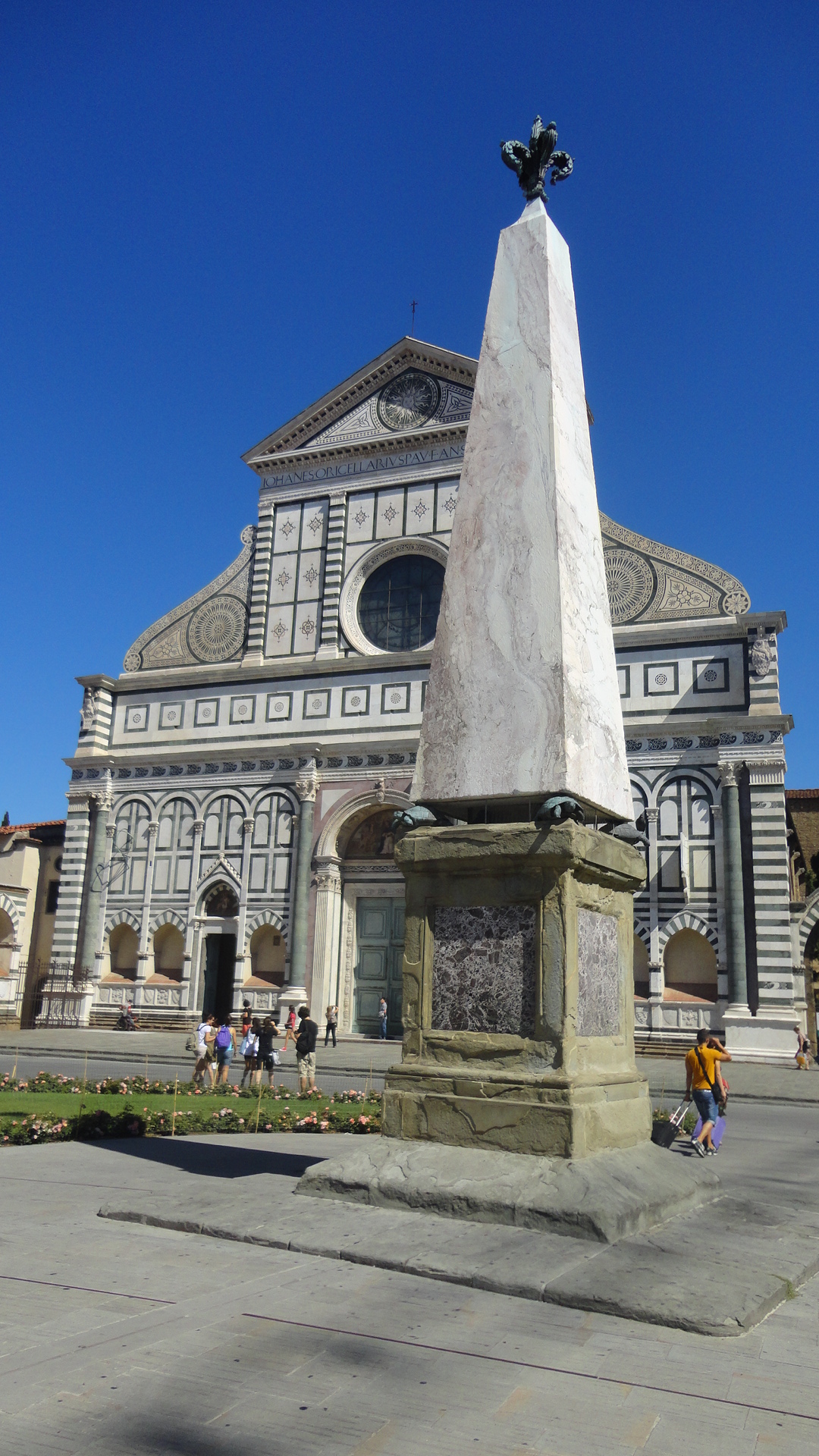
Almost everyone knows that Florence during the Renaissance period was very famous for various activities including that of the arts with and sculptors, architects, painters, who gave prestige to the city of Florence up to our tear. But not many know that Florence besides the artists was also famous for spices and in particular for some pharmacies led by friars of various orders scattered throughout the city. One of the most famous is that of Santa Maria Novella in via della Scala, led by Domenican friars. But there were also other pharmacies, one of the lesser known but always important for the city and for its stria was that of Santissima Annunziata, led by the Benedictine nuns, who directed the hospital of Santa Maria Nuova.
Historic Tour
Crucifix Gallino it’s Made by Michelangelo?
The Crucifix Gallino (after the surname of the Turin antiquarian who sold it to the Italian state in 2008) is a little wooden sculpture (41.3×39.7 cm) representing the crucifixion of Jesus, who remains without the cross, dated to around 1495-1497 and attributed to Michelangelo Buonarroti. Despite the original allusion to linden wood, the piece is …
Bartolomeo Ammannati and “I’ Biancone”
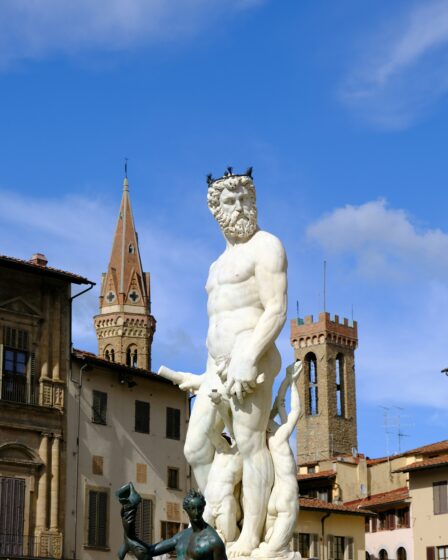
Benvenuto Cellini is believed to have reacted on the noble’s decision as follows: “Wretch marble, if with the Bandinelli you had happened badly, with the Ammannati you had happened one hundred times worse”. Cellini accused Ammannati of destroying the beautiful marble, and his phrase is being passed down in Florence today. The monument represents Neptune, the Roman god of the rivers and seas, flanked by satirists, tritons, Giambologna’s bronze Nereids, and four horses.
Michelangelo’s Crucifx
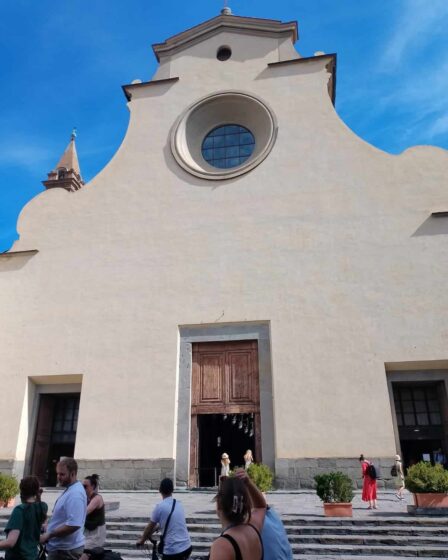
Michelangelo was hosted in the monastery of Santo Spirito in 1492, at the age of seventeen, following the death of his protector, Lorenzo Il Magnifico, who had hosted him during his artistic studies in the enormous family building in via Larga (now Palazzo Medici Riccardi). In this convent, thanks to Piero de’Medici’s intercession and the prior’s permission, he was able to analyze the corpses from the convent hospital to study anatomy, and it is also because of this experience that Michelangelo became one of the most capable of representing the human body in every smallest detail.
150 years of St. Ambrogio Market
Based on ideas drawn from the Halles Centrales market in Paris and the Covent Garden and Hungerford markets in London, Poggi proposed a system of covered marketplaces with a huge central market bordered by several smaller local markets. The new central market will be located in San Lorenzo’s Camaldoli neighborhood, with additional sites in Sant’Ambrogio and San Frediano (now defunct). The construction of the San Lorenzo market was unpopular since many densely populated, decrepit buildings had to be expropriated and demolished, but this was not the case for the other two markets, where the chosen locations were primarily covered in vineyards or vegetable and flower ga
Queen Elizabeth’s Salty Secret
The history of commerce is often hidden in plain sight, tucked away within the salt shakers on our dining tables. A fascinating English parchment dated November 16, 1564, reveals a unique privilege granted to a Florentine gentleman named Tommaso Baroncelli.
Ex St. Paul Hospital in Florence
On the other side of the Basilica of S.M.Novella, we may view the vast edifice with the loggia of the former S. Paolo hospital, which is now a twentieth-century museum. The name of this huge edifice, built in the early twelfth century, comes from the settlement that sprang up around the Porta S.Paolo and the …
Palio of Cocchi in Florence
Since the Middle Ages, the square has been the site of festivals, rides, and other races. In 1563, Grand Duke Cosimo I de’Medici designated it as the headquarters of the Palio dei Cocchi, which took place on June 23, the eve of the feast of San Giovanni Battista, Florence’s patron. This wagon race, which continued …
Florence’s Hogwarts Express
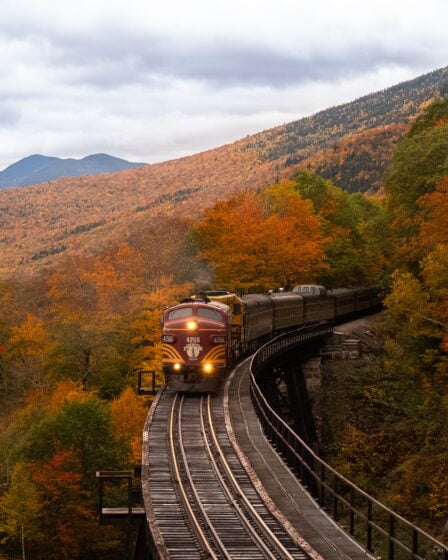
We are not at the 9 ¾ track and this is not the Hogwarts Express. We are in Florence in the Santa Maria Novella station and this is the Befana train. A real steam train like the one on which Harry Potter on to reach the most famous magic school in the world. It is a tradition that has lasted for 31 years! The historical convoy with steam traction is directed to San Piero a Sieve in Mugello.
Berta’s Santa Maria Maggiore Church
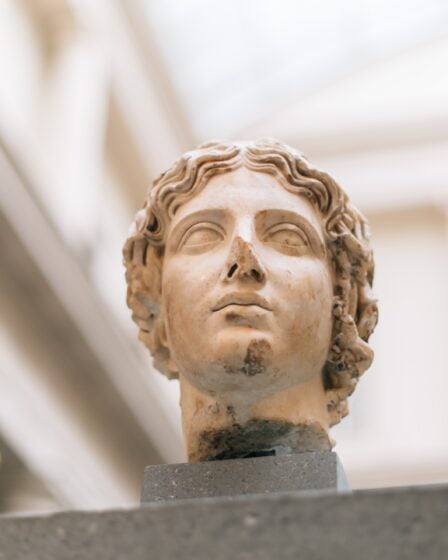
The Church of Santa Maria Maggiore in Florence, Italy, is a historically important religious site. It is one of the city’s oldest churches, with a long history extending back to the eighth century. The church is a combination of Romanesque and Gothic architectural styles that has been renovated multiple times throughout the years. Here its the place of Berta. The Florentines refer to her as ‘La Berta’, and it is a woman’s visage around which legends have grown over the centuries.