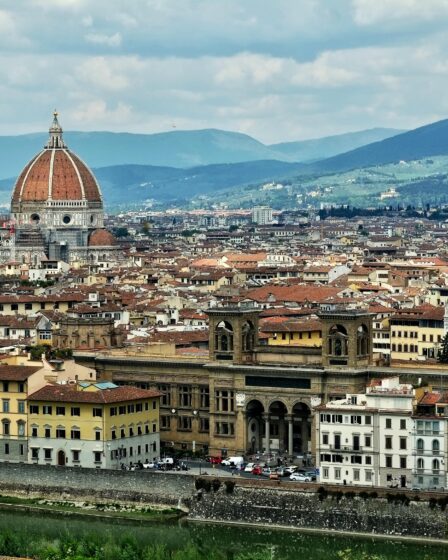
The Roman amphitheater of Florence is an authentic historical treasure, dating back to the 2nd century, whose remains are practically no longer visible between Piazza dei Peruzzi, Via dei Bentaccordi and Via Tòrta. Imagine walking among the ancient ruins and breathing in the atmosphere of a bygone era that marked the history of Florence.
Tour
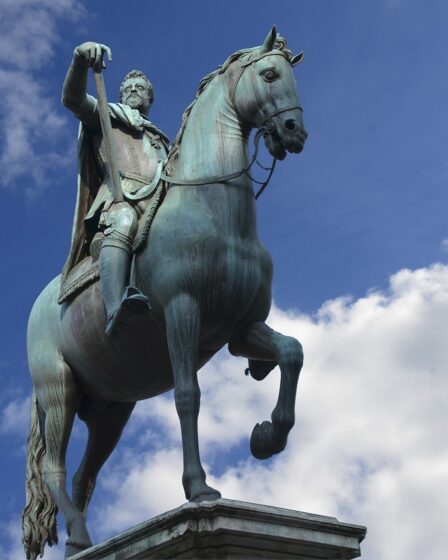
Equestrian statue of Ferdinando I de’ Medici
The equestrian statue of Ferdinando I de’ Medici is located in Piazza Santissima Annunziata in Florence. The statue is scenically placed in line with Via dei Servi, so as to be visible from Piazza del Duomo framed by the central arch of the portico of the Santissima Annunziata.
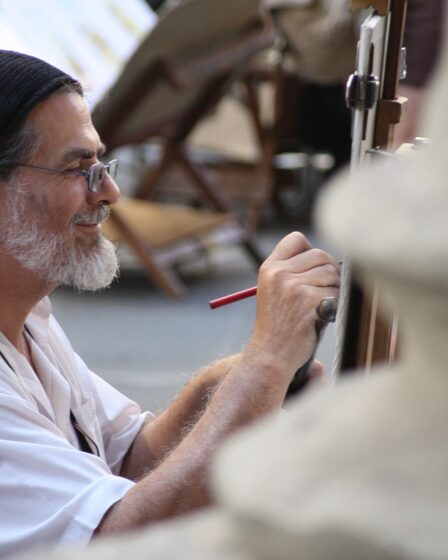
Academy of Drawing Arts in Florence
The Academy of Drawing Arts is a private association based in Florence. It is the heir institution of the oldest artistic academy founded by a public authority in the world. Its creation with the name of the Academy of Drawing dates back to January 1563.
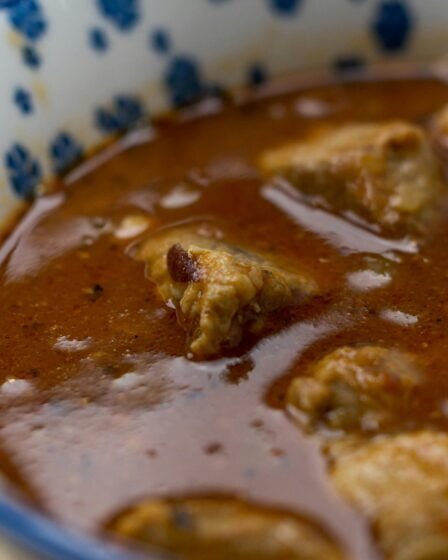
Brunelleschi and its Peposo origin or leggend?
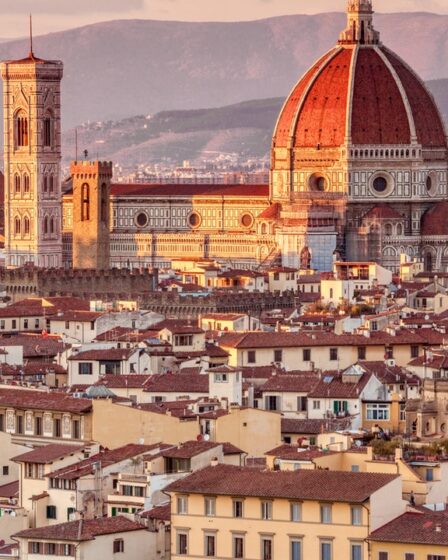
It is now a rather well-known dish, an authentic evergreen of Tuscan cuisine appreciated by residents and tourists. Those coming from outside, however, often do not imagine that Ser Filippo Brunelleschi was behind the birth of the Impruneta peposo and that the occasion was the construction of the dome of the Cathedral of Florence. For almost six hundred years, in fact, a legend has it that Filippo Brunelleschi used “peposo” to feed and heat his artisans who worked at the Santa Maria del Fiore factory.
Frescobaldi wine in Tusany and Florence
The history of the Frescobaldis begins around the year 1000, when the first members of the family moved to Florence from Val di Pesa, where we still find the Castiglioni estate today, the family’s oldest agricultural possession. The Frescobaldis settled in the Oltrarno part of the city in Piazza de’ Frescobaldi where they built the loggia, the tower and the palace. The first news of the Frescobaldi winemaking activity dates back to 1308.
Palazzo Spini Feroni curiosity in Florence’s City
During the period of Florence as capital Palazzo Vecchio became for obvious reasons the center of power of the new Italian State. Inside, due to the size of the various rooms, the Chamber of Deputies, the Senate and the Ministry of Foreign Affairs were placed. But at that point the problem arose of the municipal offices, where to place all the aforementioned rooms with the staff? As often happens in our times, even at the time the Municipality owned various properties in the city, a medieval building was chosen for its size and proximity to the city’s center of power: Palazzo Spini Feroni.
Frescobaldi family and business
The Frescobaldi family of Florence is one of the oldest and most prominent noble families in Italy, with a rich history dating back to the Middle Ages. They gained wealth and influence through banking, commerce, and land ownership, becoming one of the wealthiest and most influential families in Renaissance Florence.
Frescobald lodge next Santa Trinita’s bridge
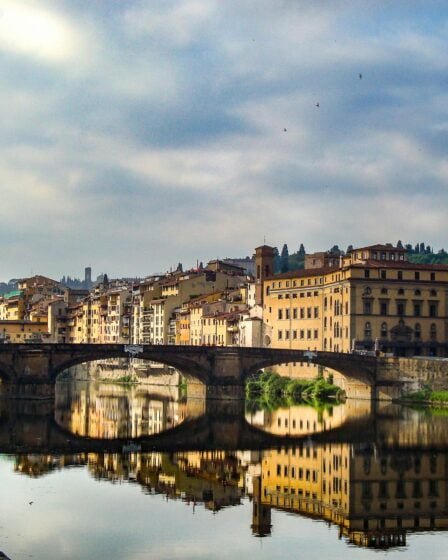
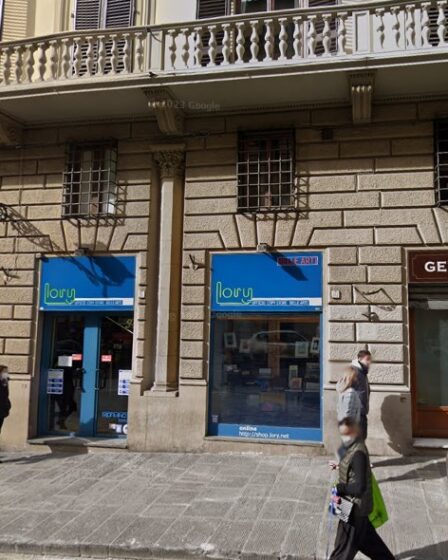
Near S.Trinita Bridge in front of the Palazzo della Missione, we find a nineteenth-century building which on the ground floor houses some commercial shops (copy shop and ice cream shop). But looking carefully we see some pillars camouflaged by the color of the facade emerging from the crushed grey-beige ashlar. The first larger one similar to a “pillar”
Giuliano de Medici, and Florentine Jousting
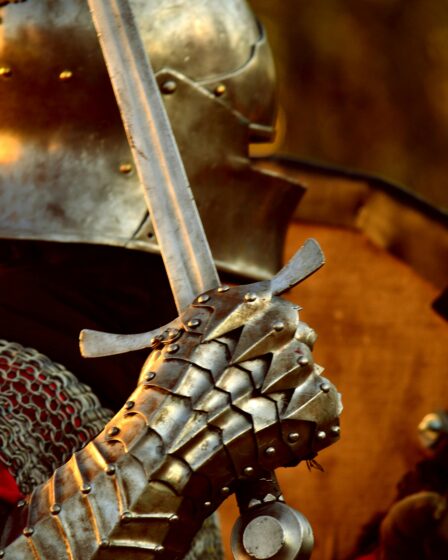
Giuliano, brother of Lorenzo the Magnificent, has always been described as handsome, tall and austere. This last name was given to him because, when he walked, he had his chin raised and his gaze downwards. At first glance he could be considered haughty and confident in his beauty. ‘Bel Julo’, as he was renamed by the Florentines, was not at all austere, he was very kind and joking with everyone and aware of being handsome, the most handsome of the Casa Medici.
Santa Trinita an original Donatello’s artwork
In the belltouwer of Santa Trinita Church there is an artworks made by the famous Donatello