

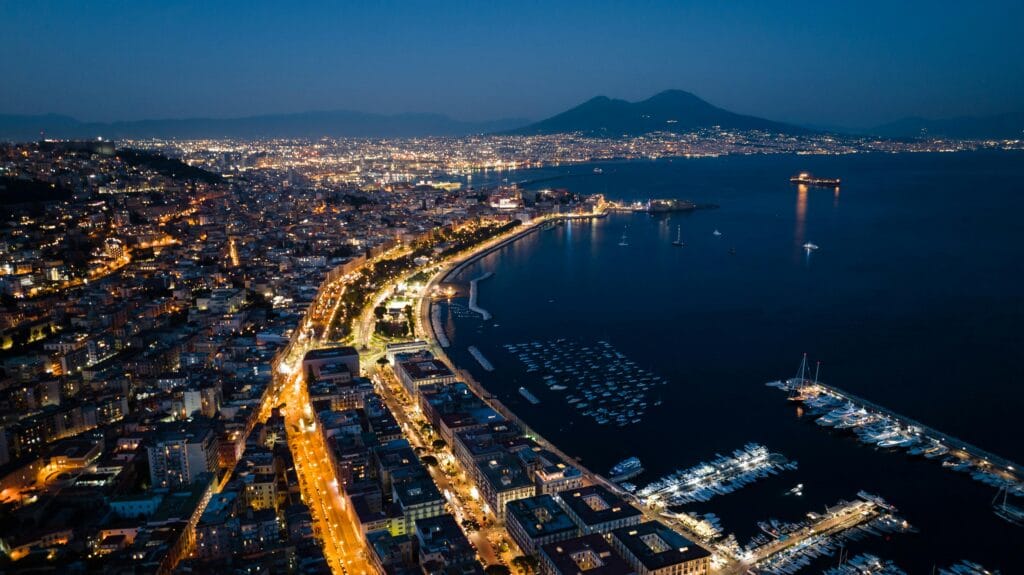
See Naples Then Die is one of the most powerful phrases ever connected to a city. At first glance, it sounds dramatic—almost shocking. Yet behind these four words lies a story of beauty, history, tragedy, and deep emotion. This expression doesn’t simply describe a place; it captures a feeling that stays with you long after you leave.
So what does See Naples Then Die really mean? Is it just about how stunning the city is? Or is there something deeper, more human, more unforgettable behind it?
Let’s explore the meaning of a phrase that has traveled across centuries and cultures—just like Naples itself.
A Phrase That Traveled the World
First of all, the most famous reference comes from Johann Wolfgang von Goethe. In 1787, during his Italian journey, he arrived in Naples and was immediately struck by the city’s energy, beauty, and chaos. He wrote about a saying he heard repeatedly in the streets: “See Naples Then Die.”
For Goethe, the meaning was simple and poetic: once you have seen Naples, you have seen everything life can offer. Nothing else is needed. In other words, Naples represents a kind of completeness—a place that fills the soul entirely.
You can read more about Goethe’s Italian experience here:
🔗 https://www.britannica.com/biography/Johann-Wolfgang-von-Goethe
The Darker, Historical Meaning
However, there is another side to See Naples Then Die—one that is more raw and unsettling.
For centuries, public executions in Naples took place in Piazza del Mercato. Condemned prisoners were forced to walk through the city before reaching the scaffold. Along this final journey, they saw Naples one last time: the streets, the sky, the sea, the people. They truly saw Naples—and then they died.
In this sense, the phrase is not symbolic. It is literal.
To understand this chapter of the city’s past, you can explore the history of Piazza del Mercato here:
🔗 https://www.atlasobscura.com/places/piazza-del-mercato-naples
Naples and the Idea of “Napolitude”
Yet today, most people connect See Naples Then Die to something far more emotional: napolitude.
This is the feeling that Naples gives you and never fully takes back. You arrive as a visitor, but you leave with part of yourself still there—in the streets of Spaccanapoli, in the sunset over the Bay, in the sound of voices drifting through narrow alleys.
So when people say See Naples Then Die, they often mean something else:
You don’t actually die.
You change.
You leave something behind.
And when you go away, you “die” a little from nostalgia, longing to return.
To better understand the soul of the city, this cultural overview is helpful:
🔗 https://www.nationalgeographic.com/travel/article/naples-italy-guide
Why Travelers Still Fall in Love
Moreover, Naples is not polished. It is loud, emotional, contradictory, and alive. And that is exactly why people remember it. Unlike many destinations that are simply “beautiful,” Naples feels human. It makes you feel something—joy, wonder, discomfort, fascination, and warmth, often all at once.
That is why See Naples Then Die still resonates today. It is not about perfection. It is about impact.
If you want to experience the city through the eyes of passionate local guides and truly understand its hidden layers, you can start with a walking experience like this one:
🔗 https://www.bestfreetour.com/naples-free-tour
A City That Completes You
Finally, what does See Naples Then Die mean in our time?
Naples offers more than monuments and views—it gives you a sense of identity.
Its beauty doesn’t just impress you; it reshapes the way you understand beauty itself.
And long after you leave, the city continues to live inside you, holding onto a part of who you are.
And perhaps that is the real meaning:
Naples doesn’t let you leave the same person you were when you arrived.
For deeper insight into Naples’ cultural heritage, you can also explore:
🔗 https://www.lonelyplanet.com/italy/naples
🔗 https://whc.unesco.org/en/list/726
Conclusion
In the end, See Naples Then Die is not about death at all. It is about fullness. About feeling life so intensely in one place that everything afterward feels different.
You may leave Naples.
But Naples never really leaves you.
And that is why this phrase, born centuries ago, still speaks to travelers today—clearly, emotionally, and forever.