
Florence, in Santa Maria del Fiore. This floor is completely flat. The remarkable optical illusion of the seventeenth century of the marble tiles of the Florence Cathedral. View from above, the intricate geometry creates the illusion of a giant abyss in which people could come across. The red, white, black and green marble floor was a colossal task to complete it took 160 years. It was created by the Grand Ducal Laboratories of Florence, led by the Renaissance sculptor Baccio d’Agnolo, and completed in 1660.
Categoria
Mostra: 751 - 760 of 851 RISULTATI Historic Tour

Mariotto Albertinelli the painter chef
Next to Dante’s alleged house in the homonymous street, a place with a great story behind him in the square of S.Martino. It is a place founded by a famous painter of the time, Mariotto Albertinelli. Born in Florence on October 13, 1474 from Biagio by Bindo Albertinelli, he began his career before in the shop of the goldsmith’s father and subsequently in that of Cosimo Rosselli.
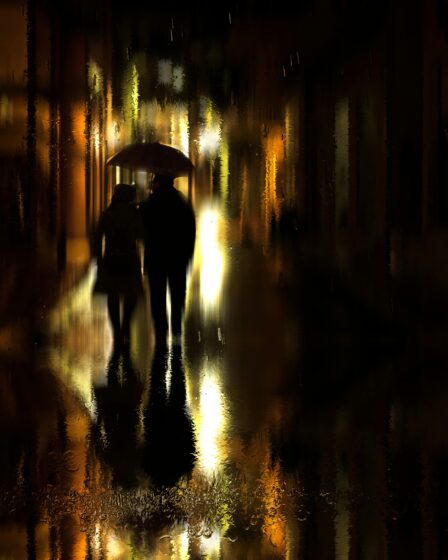
Via dell Inferno in Florence
In the heart of Florence, narrow in the streets that pulsate with history and secrets, there is via dell’ Inferno, ” Hell street ” an alley that many passers -by cross without noticing, distracted by the surrounding beauty of the city. However, this place hides a forgotten story, a plot that is intertwined with the fate of those who dared to travel it after sunset. It is said that centuries ago, via dell’ Inferno was the favorite passage from a mysterious character known as the craftsman of the shadows.

Zoo in Florence at Boboli Garden
Towards the end of the 1600s, Grand Duke Cosimo III had created in his residence of Palazzo Pitti, an area used as a small zoo, where “very rare animals conducted by the most remote regions were placed …” as in other European courts, also the family Of the doctors, he wanted to create a mènagerie (in Italian Serraglio, derives from the Latin Serraculum indicating a enclosure or closed part) practically a structure consisting of a series of cages or fences, where animals and birds were held.
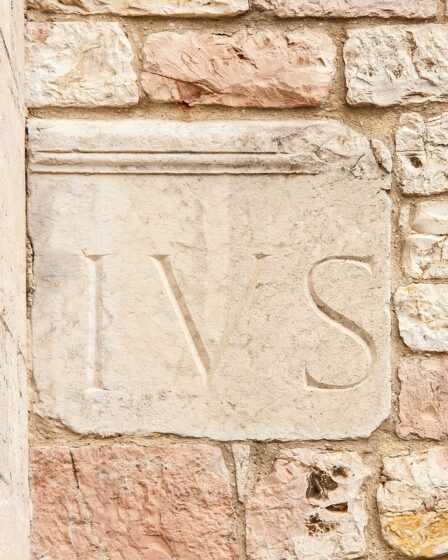
Roman walls in via del Proconsolo
The double copper circular track in via del Proconsolo has a fascinating history: it is the fruit of the excavations of the eighties and nineties, which have brought to light a tower and a stretch of the Roman walls.

Cats in Duomo
In some research something unique and original was discovered in the Florentine archives, a very particular anecdote. It is a somewhat bizarre detail in some respects but very normal for the period in which this writing was drawn up. In practice, the writing reveals the presence of cats inside the Florentine Cathedral.
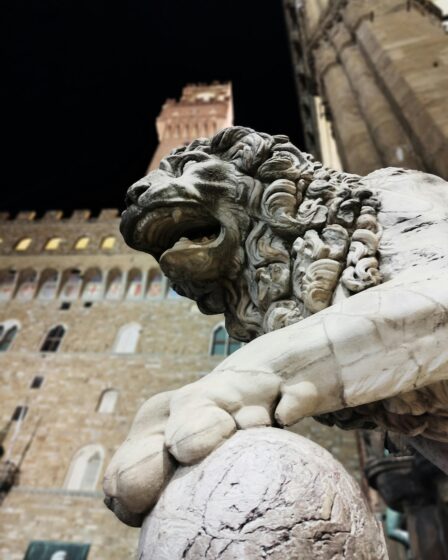
A secret room under the Lanzi lodge
Thus the major advice of the Signoria deliberates the construction of a public loggia: it is the Loggia dei Priori better known with the Loggia dei Lanzi or the orcagna. Before building the loggia there was an environment where some lions symbol par excellence of the city of Fiorenza were kept in captivity, subsequently everything was turned with enormous pillars in order to support the real loggia.

A strange clock inside of the cathedral
Inside the majestic cathedral of Florence, one of the hidden jewels that await visitors is an enigma painted on a fascinating and unique clock. This work, created by the brilliant artist Paolo Uccello, challenges temporal conventions and logic, offering a fascinating window in the mind of a Renaissance painter and in the mysteries of the past.
Michelangelo Project is it in Donatello square?
Well yes … even Michelangelo is indeed … perhaps it would be better to say, what remains of his project to the unfinished facade of S.Lorenzo. It all starts when Pope Leo X returns to Florence on a solemn visit and seeing the facade of S.Lorenzo, is tormented by an idea, that of creating a facade worthy of the oldest church in the city.
A curiosity about Florence
Walking in via Lambertesca in ancient times via dei Gherardini we arrive at the corner of the Chiasso del Buco, where we can see some remains of the residence of the art of the corrections (he framed all the craftsmen who packaged straders, shields, crossbows and anything else of leather served for use military). Above the Matassini jewelry shop, we will notice the remains of the ancient architrave adorned with four shields, the first of the people of Florence and the last of the Guelph part are of the era of the original construction (late 14th century), while those of the doctors and Pistoia are sixteenth -century.